World · India Bureau
Decades-old Japanese coal ash submerged foundation still supports major bridge
In a striking example of industrial waste management from decades past, coal ash buried beneath the seabed in Japan continues to provide structural support for a significant bridge infrastructure. The unconventional approach, undertaken when environmental regulations were less stringent, has proven surprisingly durable over time.
LSN India ·
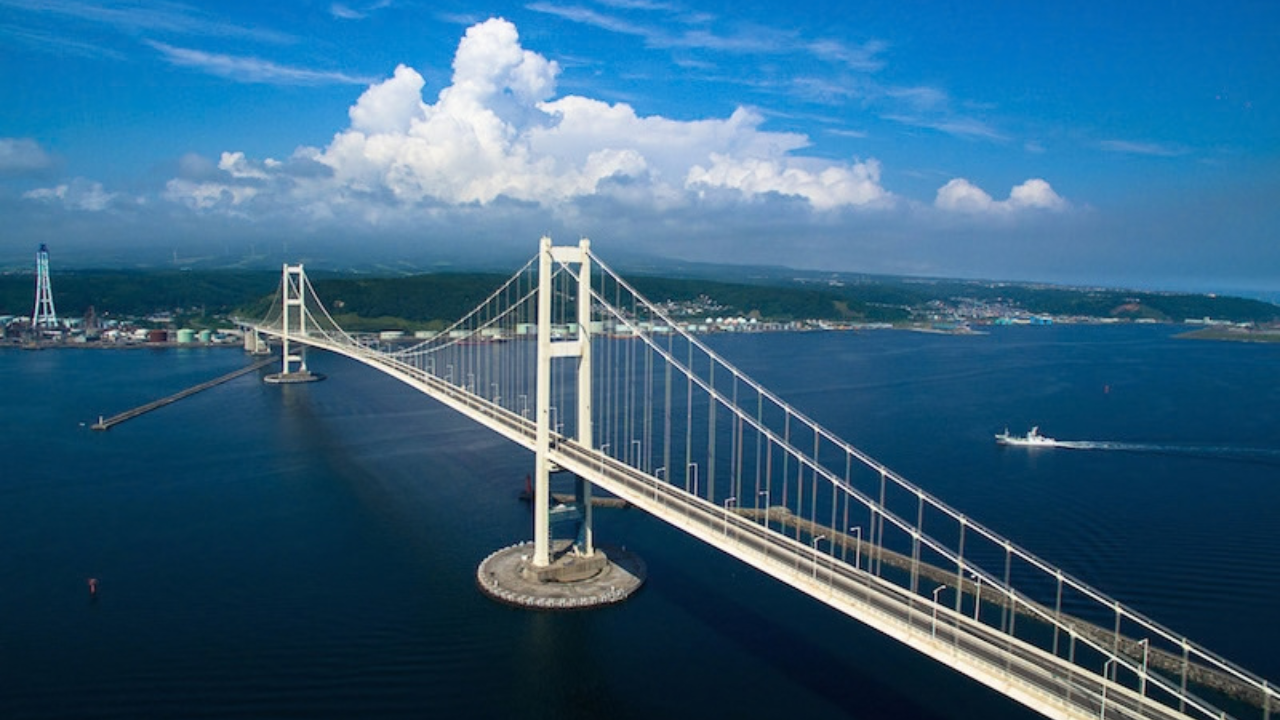
Japan's approach to disposing of coal ash has yielded an unexpected legacy: a major bridge that remains structurally sound despite being supported by industrial waste deposited on the ocean floor decades ago. The practice, undertaken when waste management concerns were not paramount in industrial planning, has persisted through the test of time.
The coal ash, a byproduct of thermal power generation, was submerged beneath coastal waters as a cost-effective disposal method. Engineers utilized the material as a foundation base, compacting it to create a stable platform capable of bearing significant weight. The bridge constructed atop this unconventional foundation has continued to serve its purpose without major structural failures or deterioration.
While the durability has proven remarkable, such practices reflect an earlier era of industrial development when environmental and health concerns took secondary priority to economic efficiency. Modern waste management standards would likely prohibit similar undertakings. The case serves as a historical marker of how industrial nations have evolved their approach to environmental stewardship over successive decades.
The bridge's continued functionality suggests that under specific conditions—particularly when coal ash is properly compacted and submerged—the material can maintain structural integrity over extended periods. However, experts emphasize that contemporary industrial practices have moved toward more sustainable and regulated disposal methods that minimize potential long-term environmental impacts.