World · India Bureau
Decoding Gen Z slang: A guide to viral social media phrases
Younger internet users across India and beyond have embraced a distinctive vocabulary that frequently appears in social media posts, reels, and comments. Understanding these trending terms can help bridge the generational communication gap.
LSN India ·
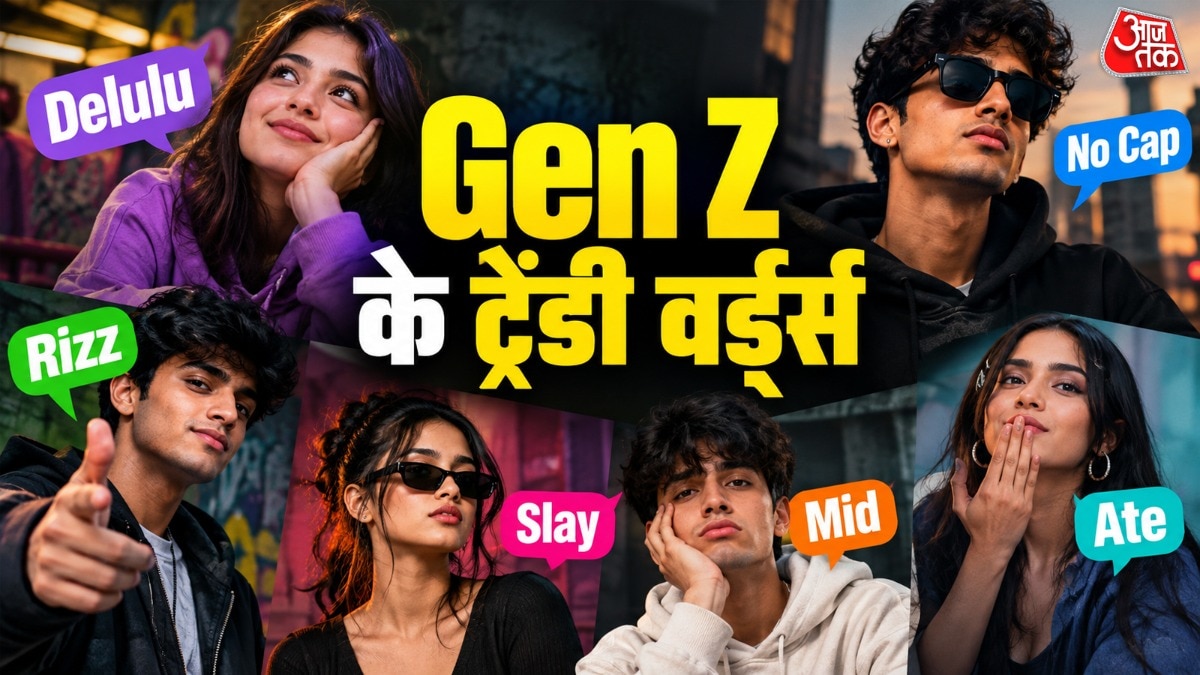
Younger internet users across India and beyond have embraced a distinctive vocabulary that frequently appears in social media posts, reels, and comments. Terms such as 'delusional,' 'no cap,' 'rizz,' and 'slay' have become commonplace in digital spaces, though their meanings remain unclear to many outside Gen Z circles.
The phenomenon reflects how language evolves rapidly within online communities, with new slang terms emerging almost constantly across platforms like Instagram, TikTok, and YouTube. These expressions often originate from African American Vernacular English (AAVE) and internet culture before spreading globally through social media influence.
Understanding this generational vocabulary offers practical benefits for parents, educators, and older social media users seeking to comprehend younger generations' communication styles. Each term carries specific contextual meanings—what constitutes appropriate usage in casual conversation differs from formal settings, and misusing these expressions can result in unintended humor or miscommunication.
Language experts note that slang adoption among Gen Z represents a natural linguistic evolution, particularly accelerated by digital connectivity and the speed of online trend cycles. As these phrases continue gaining traction, familiarity with their definitions helps facilitate cross-generational dialogue both online and offline, reducing potential misunderstandings in diverse social and professional environments.