World · India Bureau
Dedicated freight corridors transform India's rail logistics landscape
India's Eastern and Western Dedicated Freight Corridors are punching well above their weight, moving 14 per cent of rail freight despite comprising just 4 per cent of the network. The specialised routes are slashing transit times and easing congestion across the broader rail system.
LSN India ·
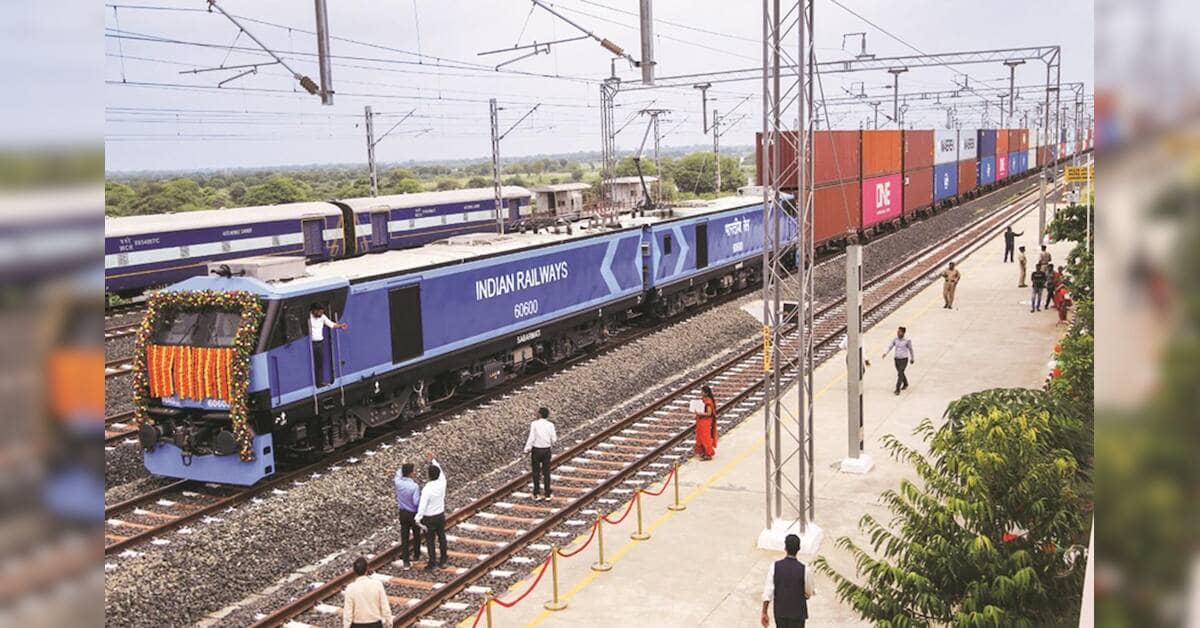
India's investment in dedicated freight corridors is yielding significant operational gains, with the Eastern and Western DFCs emerging as critical arteries for the nation's freight transportation network. Despite representing only 4 per cent of India's total rail infrastructure, these specialised routes are handling approximately 14 per cent of all rail freight traffic, demonstrating substantially higher utilisation than conventional tracks.
The efficiency gains stem from infrastructure designed specifically for freight operations, including enhanced carrying capacity and optimised scheduling. The corridors accommodate double-stacked container trains and heavier freight loads, enabling operators to move more cargo per journey and reducing the number of trips required. This configuration translates into faster transit times for freight, addressing a long-standing challenge in India's logistics sector.
Beyond the immediate benefits to freight operators, the dedicated corridors are having ripple effects across India's broader rail network. By channelling significant freight volumes onto specialised routes, the DFCs are freeing capacity on conventional rail lines, creating space for increased passenger services and reducing the intersection of freight and passenger operations that has historically created bottlenecks.
The performance metrics underscore the strategic value of separating freight and passenger operations. Industry analysts view the DFCs as a blueprint for further modernisation of India's rail infrastructure, with the corridors' success likely to drive policy decisions on future network investments and freight logistics strategy.