World · India Bureau
Deep Ocean Waters Rise 100 Metres Daily, Scientists Discover
Marine researchers tracking underwater currents with fluorescent dye have documented rapid upwelling of deep ocean water moving significantly faster than previously estimated. The findings highlight how submarine canyons influence global ocean circulation patterns.
LSN India ·
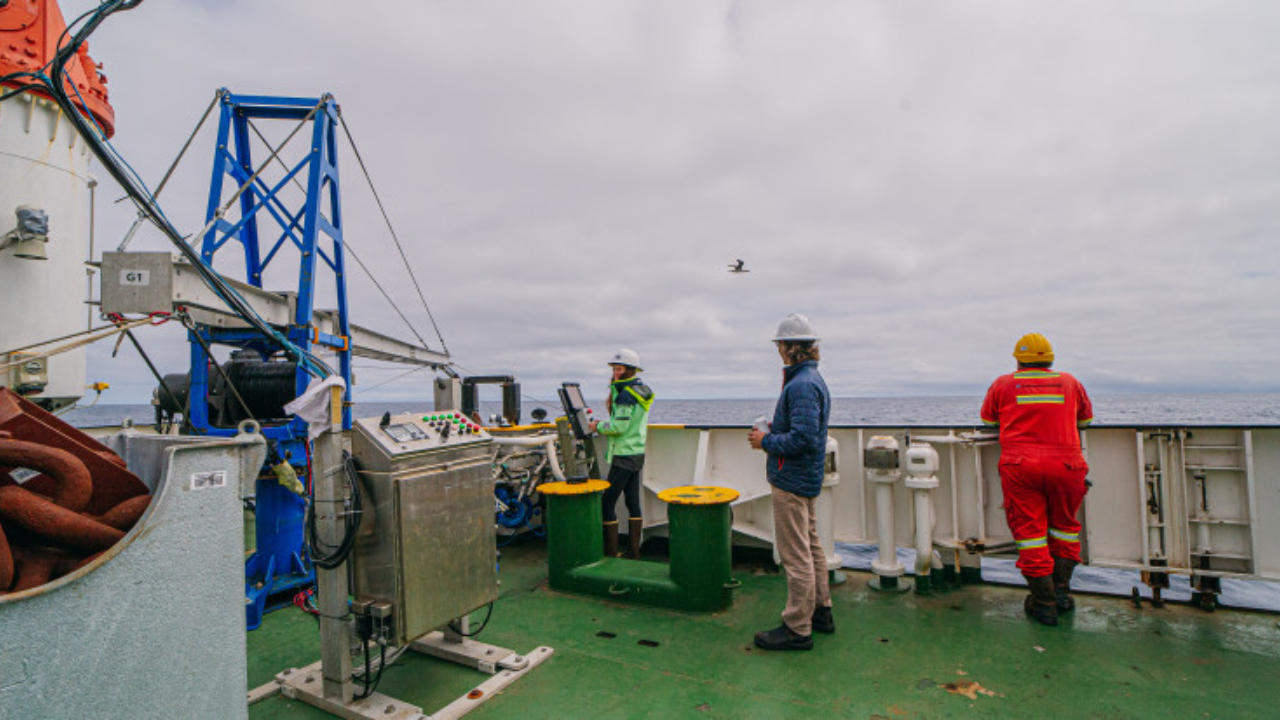
Scientists studying the Rockall Trough have observed deep ocean water rising at approximately 125 metres per day—substantially faster than conventional estimates of underwater upwelling rates. Using fluorescein dye released nearly two kilometres below the surface, researchers directly tracked the vertical movement of water masses in this submarine canyon system, providing unprecedented observational data on deep-ocean circulation dynamics.
The research marks a significant advance in understanding how ocean water moves in submarine canyon environments. Previous studies relied heavily on theoretical models and indirect measurements, but the fluorescent tracer method enabled scientists to directly observe and measure the speed of upwelling currents in real time. The rapid movement documented in the Rockall Trough suggests these submarine geological features act as powerful conduits for vertical water transport.
Underwater topography emerges as a critical factor in deep-water circulation processes, the study indicates. The steep slopes and channelled formations of submarine canyons appear to accelerate the movement of cold, nutrient-rich waters from the ocean depths toward the surface. This mechanism has important implications for understanding nutrient cycling, marine productivity, and broader ocean circulation systems that influence global climate patterns.
Researchers plan to extend their investigations to other submarine canyon systems across different ocean basins. By comparing upwelling rates and mechanisms in varied geological and oceanographic settings, scientists aim to develop more comprehensive models of deep-ocean circulation that could enhance predictions about ocean health and climate dynamics.