Culture & Entertainment · India Bureau
Deep-sea mussels maintain biological clocks despite perpetual darkness
Researchers at the University of Vienna have discovered that mussels living 1,700 metres beneath the Atlantic Ocean maintain precise 24-hour biological rhythms, despite the complete absence of light. The findings reveal how these organisms synchronise their internal clocks with tidal movements in their extreme deep-sea habitat.
LSN India ·
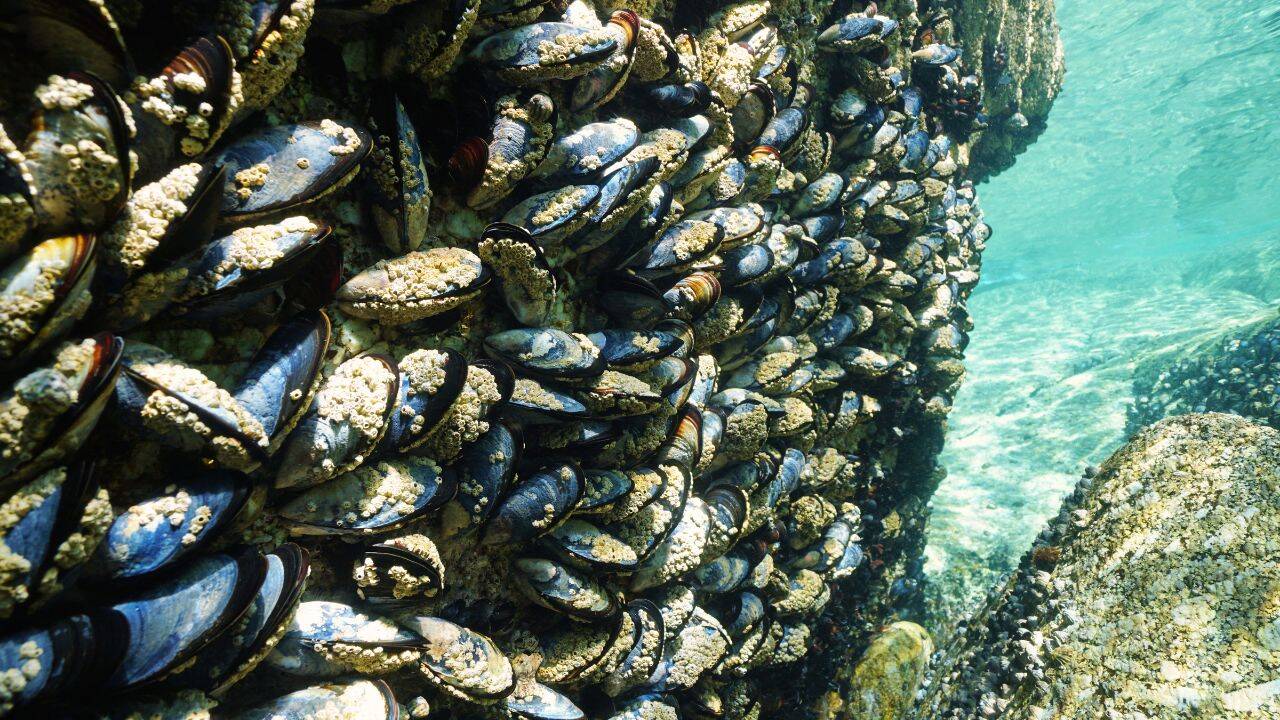
A groundbreaking study has unveiled the remarkable biological adaptations of deep-sea mussels thriving in one of Earth's most hostile environments. Living around hydrothermal vents in total darkness, these creatures have evolved intricate circadian systems that allow them to function with precision in the pitch-black conditions of the deep Atlantic Ocean.
Scientists from the University of Vienna cultured cells from these deep-sea organisms to investigate how they maintain their 24-hour biological clock without any exposure to natural light cues. The research identified key clock genes responsible for regulating these internal rhythms, providing crucial insights into how life adapts to extreme conditions far removed from the surface world.
The study demonstrates that deep-sea mussels have evolved alternative mechanisms to track time, likely synchronising their biological processes with tidal forces rather than solar cycles. This adaptation underscores the complexity of life systems that have developed over millennia in the ocean's most isolated depths.
The findings open new avenues for biological research, offering scientists a unique model system for understanding how organisms maintain circadian rhythms independent of traditional environmental signals. The work contributes to broader knowledge of life's capacity to thrive in seemingly uninhabitable environments and may have implications for understanding evolutionary biology across diverse ecosystems.