Culture & Entertainment · Malaysia Bureau
Deepavali or Diwali: Understanding the Festival of Lights' dual names
As Malaysia's Hindu and Indian communities prepare to celebrate Deepavali, the Festival of Lights carries two names with distinct linguistic and cultural roots. The terminology reflects both Sanskrit origins and regional variations across South and Southeast Asia.
LSN Malaysia ·
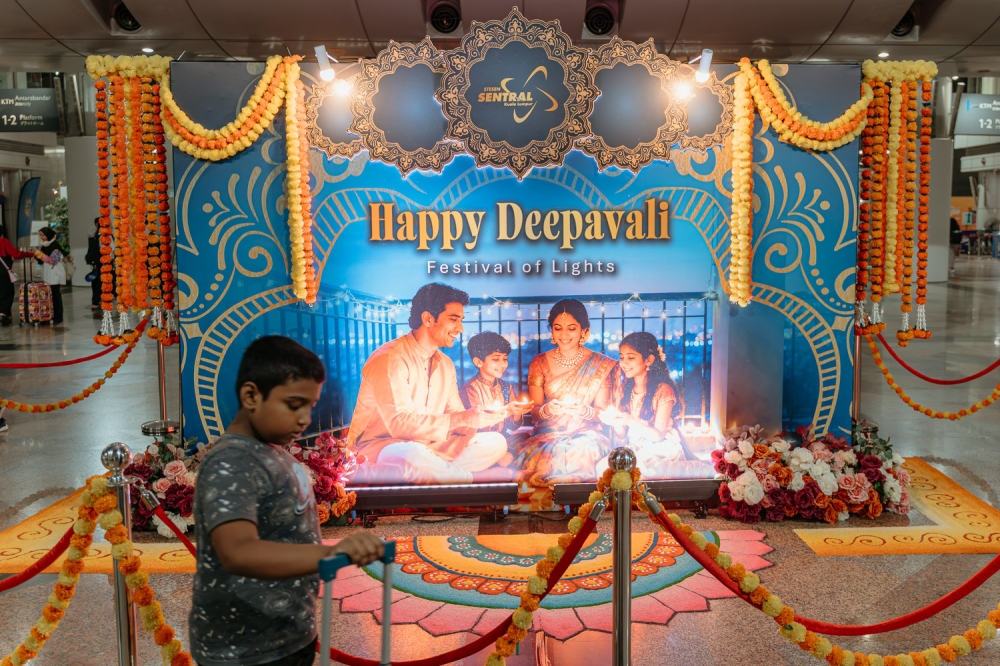
The Festival of Lights, observed by millions across Malaysia and beyond, is known by two primary names: Deepavali and Diwali. While often used interchangeably in contemporary usage, each term carries its own linguistic significance rooted in Sanskrit and regional traditions.
Deepaval is derived from the Sanskrit words 'deepa,' meaning lamp, and 'avali,' meaning row or series. The term translates literally to 'row of lamps,' capturing the festival's central tradition of illuminating homes and temples with oil lamps and lights. This fuller Sanskrit form remains prevalent in South Indian and Malaysian contexts, where the festival maintains strong cultural connections to its classical roots.
Diwali, by contrast, represents a shorter, more colloquial variation of the same Sanskrit origin. This abbreviated form gained widespread usage, particularly in North India and through popular global media, becoming the more recognizable name internationally. Both terms fundamentally describe the same celebration, though regional preferences and linguistic traditions have led to their distinct usage patterns.
For Malaysian Hindus, Deepavali remains the preferred terminology, reflecting the strong Tamil and South Indian heritage that shapes the community's observance of the festival. The celebration, typically held in October or November according to the lunar calendar, symbolizes the victory of light over darkness and good over evil, observed through prayers, feasting, and the iconic lighting of oil lamps.