World · India Bureau
Deepavali pollution spike reignites debate on firecracker regulations
The severe air quality deterioration following Deepavali celebrations has prompted renewed scrutiny of green cracker effectiveness and existing pollution control measures across India.
LSN India ·
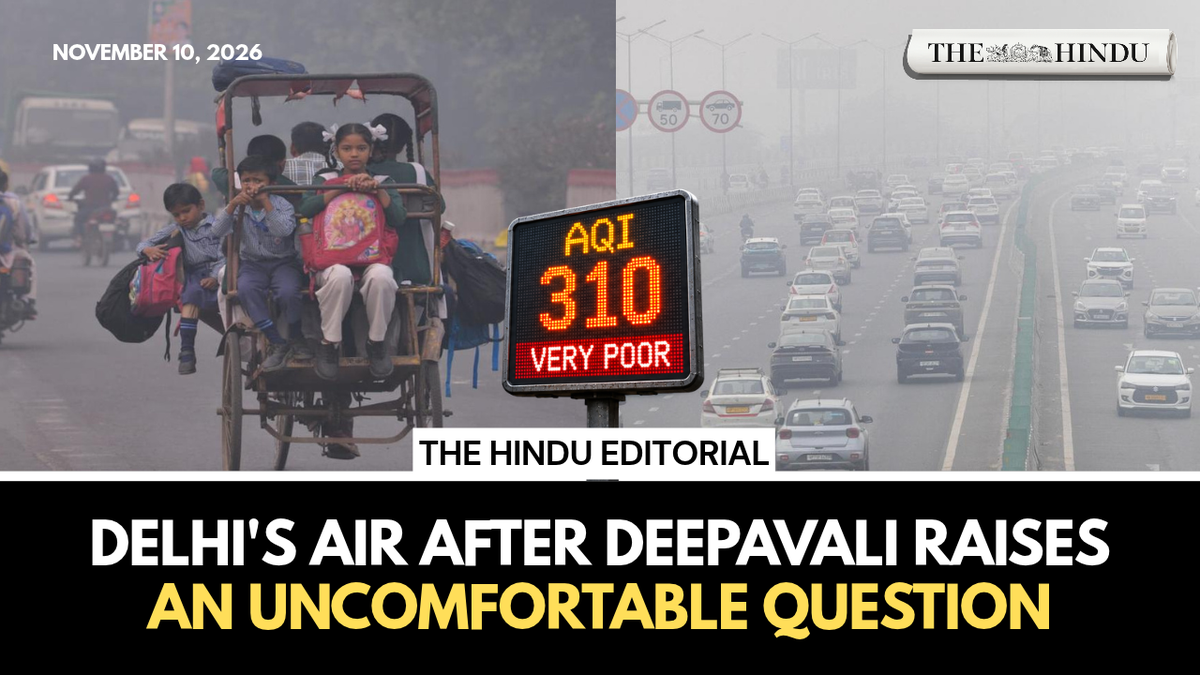
Post-Deepavali air pollution levels have once again brought the contentious issue of firecrackers and their environmental impact into sharp focus. Major cities across the country experienced significant spikes in particulate matter and other pollutants in the days following the festival, raising questions about the adequacy of current regulatory frameworks designed to mitigate such seasonal degradation.
The promotion of green crackers as an environmentally friendlier alternative has been central to government messaging around firecracker use during major festivals. However, the persistent pollution episodes suggest these products may not deliver the promised relief from air quality deterioration, or their uptake remains insufficient to meaningfully reduce overall emissions during peak celebration periods.
Policy experts and environmental advocates continue to debate the most effective approach to balancing cultural traditions with public health imperatives. Some argue for stricter enforcement of existing cracker bans and regulations, while others contend that comprehensive measures addressing broader pollution sources are necessary to achieve meaningful improvements in air quality during and after festival seasons.
The recurring cycle of festival-linked pollution spikes underscores the need for a multi-pronged strategy combining regulatory measures, public awareness campaigns, and potentially stricter controls on firecracker sales and usage. State and municipal authorities face mounting pressure to implement more robust protections for public health while respecting citizens' right to celebrate cultural occasions.