Business · India Bureau
Deepfake videos spark urgent calls for AI regulation in Indian entertainment
The circulation of artificially manipulated videos involving Indian film personalities has intensified demands for stricter legal frameworks and technological safeguards against deepfake abuse. Industry experts and lawmakers are now examining how to combat the emerging threat posed by synthetic media technologies.
LSN India ·
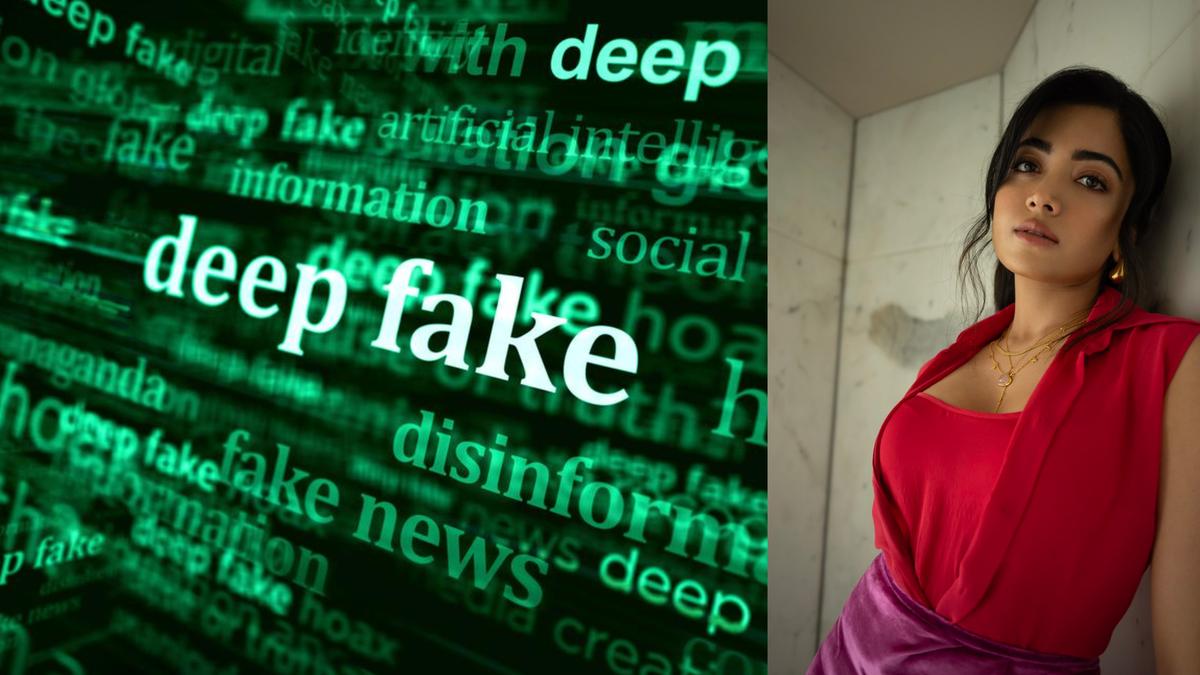
The emergence of deepfake videos featuring Indian entertainment personalities has triggered widespread concern about the need for robust regulatory mechanisms to address the misuse of artificial intelligence. The incidents have spotlighted a critical gap in existing legal protections and technological defenses against such synthetic media, prompting calls from industry stakeholders for immediate action.
Experts warn that deepfake technology poses multifaceted risks to public figures, including reputational damage, privacy violations, and potential harassment. The controversy has underscored how rapidly advancing AI capabilities can outpace regulatory frameworks, leaving individuals vulnerable to sophisticated forms of digital manipulation without adequate legal recourse.
Stakeholders across the entertainment sector are now advocating for comprehensive legislation to address deepfake creation and distribution. Industry representatives have emphasized the importance of developing both legal instruments and technological countermeasures, including detection tools and authentication systems that can identify manipulated content before it circulates widely.
Government bodies and technology companies are beginning to explore coordinated responses to the challenge. Proposed measures include stricter penalties for deepfake production, mandatory content authentication standards, and investment in AI-based detection systems. Experts argue that such multifaceted approaches will be essential to protecting individuals while preserving legitimate uses of synthetic media technology.