Politics · India Bureau
Defence sector FDI liberalisation haunted by historical policy exceptions
India's opening of the defence sector to foreign investment traces its roots to a rule exception granted two decades ago, raising questions about the consistency and long-term implications of the liberalisation framework.
LSN India ·
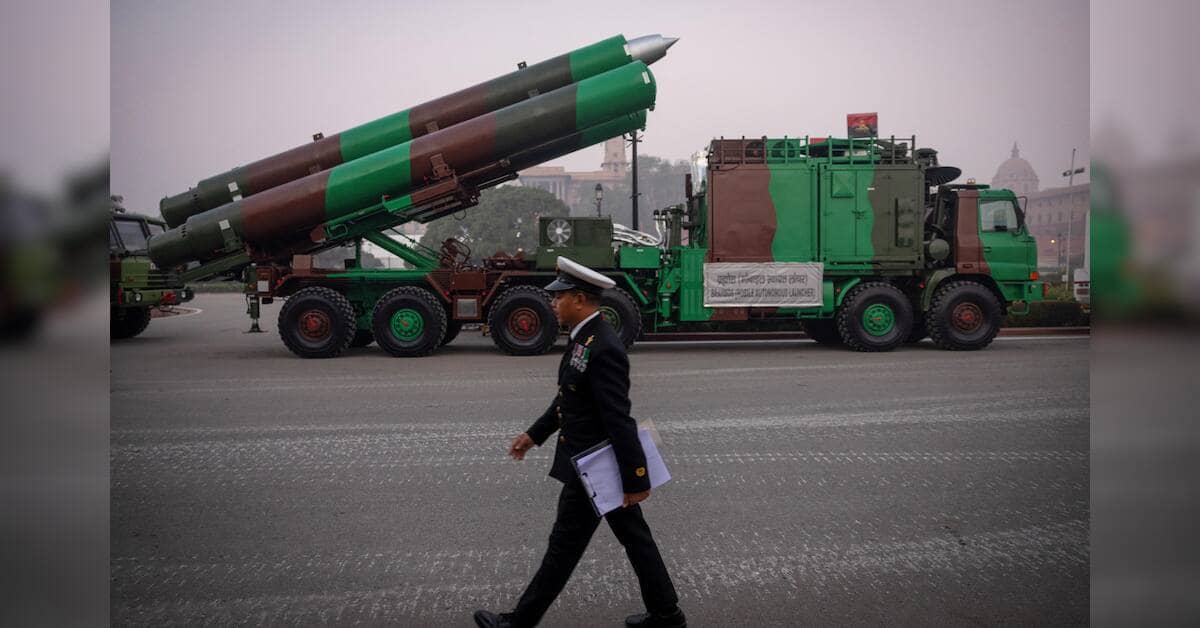
The liberalisation of foreign direct investment in India's defence sector, which gathered momentum in 2001, emerged from what was initially conceived as a temporary exception to existing government policy rather than a carefully planned strategic shift.
This opportunistic approach to relaxing restrictions on foreign investment in defence manufacturing has created a legacy of policy ambiguity that continues to shape sector dynamics. The decision to permit limited foreign participation was framed as an exceptional measure at the time, yet it ultimately became the foundation for broader liberalisation efforts that would follow.
Defence analysts and policy observers have noted that this ad-hoc beginning has influenced how subsequent governments have approached foreign investment rules in the sector. The lack of a coherent long-term strategic vision at the outset has meant that defence FDI policy has often evolved reactively rather than as part of a comprehensive framework.
Current policymakers continue to grapple with the implications of decisions made over two decades ago. As India seeks to strengthen its domestic defence manufacturing capabilities while attracting foreign technology and capital, the historical foundation of these policies remains relevant to understanding the sector's trajectory and the ongoing debates about foreign participation levels and technology transfer requirements.
The defence FDI debate reflects a broader tension in Indian policy between economic openness and strategic autonomy, a challenge that remains unresolved despite two decades of incremental liberalisation.