World · India Bureau
Delhi air quality panel pushes vehicle cabin filters, roadside emission monitoring
India's top air quality authority has recommended mandatory cabin air filtration systems and remote emission sensing to combat vehicle pollution in Delhi. The proposals also include incentive schemes for electric vehicle adoption and retrofit programmes.
LSN India ·
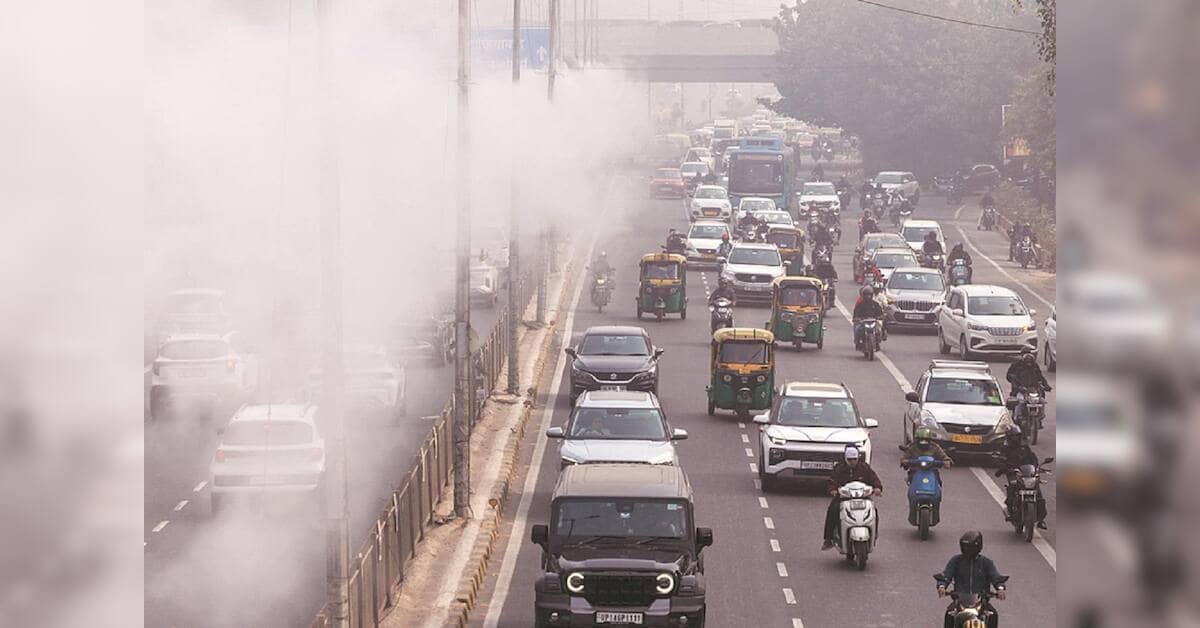
The Commission for Air Quality Management (CAQM) has put forward a comprehensive set of measures targeting vehicular emissions as part of efforts to improve air quality in the national capital. The panel's recommendations centre on two key interventions: mandatory installation of filtration systems in vehicle cabins to trap fine particulate matter (PM2.5) and volatile organic compounds (VOCs), alongside roadside remote sensing technology to monitor real-time emission levels from moving vehicles.
The CAQM proposal reflects growing concern over the contribution of transport-related pollution to Delhi's persistent air quality challenges, particularly during winter months when smog becomes a public health crisis. Cabin filtration systems would provide direct protection to vehicle occupants while addressing indoor air quality, an often-overlooked dimension of urban air pollution.
Beyond filtration requirements, the panel has recommended financial incentives to accelerate the transition towards electric vehicles and retrofit programmes for existing commercial fleets. These measures are designed to reduce emissions at the source while encouraging vehicle owners to adopt cleaner technologies. Remote sensing infrastructure would enable authorities to identify non-compliant vehicles and enforce regulations more effectively.
The recommendations require approval from relevant government authorities before implementation. If adopted, the measures would represent a multi-pronged approach combining technological upgrades, regulatory enforcement, and market incentives to address one of Delhi's primary pollution sources. The proposal underscores the CAQM's focus on reducing India's capital's deteriorating air quality through targeted sectoral interventions.