World · India Bureau
Delhi air quality plummets to severe levels following Diwali festivities
The national capital faces a hazardous air quality crisis in the post-Diwali period, with the Air Quality Index surging to 376, signaling severe pollution conditions. Health officials have urged residents to take precautionary measures as respiratory risks escalate across the city.
LSN India ·
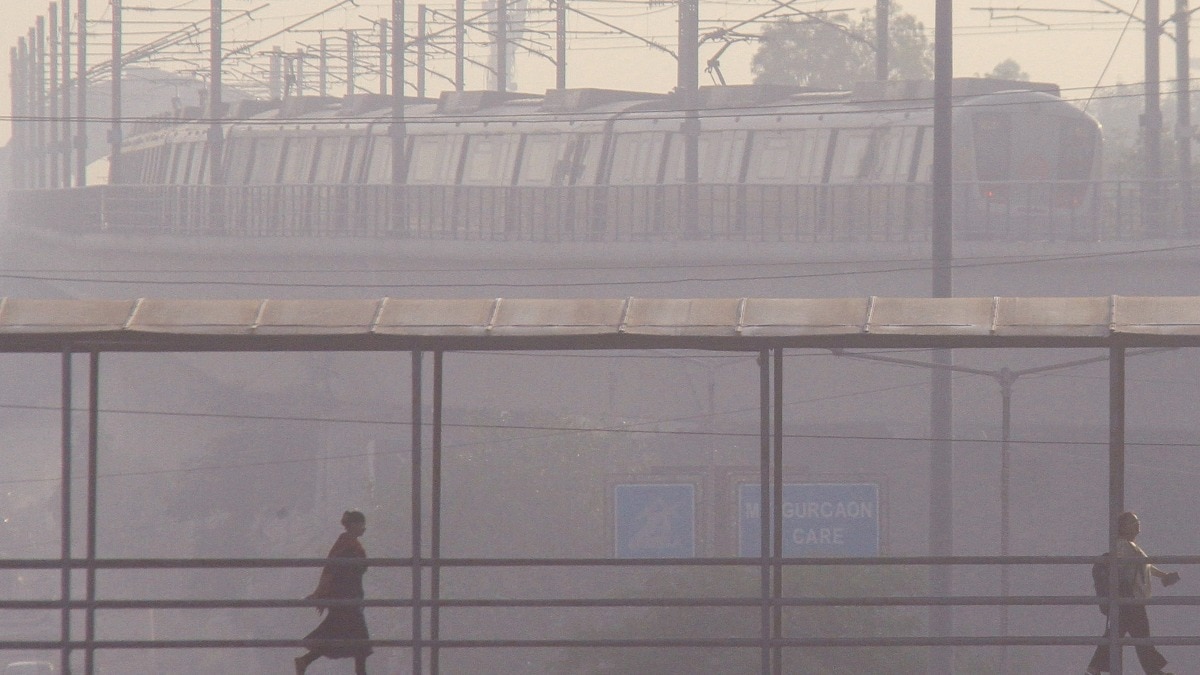
Delhi is grappling with a significant deterioration in air quality following Diwali celebrations, with the Air Quality Index reaching 376 on the 24-hour scale—well into the severe category. The spike in pollution levels comes as a combination of factors, including festive fireworks, stubble burning from neighboring agricultural regions, and unfavorable meteorological conditions, have converged to create hazardous atmospheric conditions across the metropolitan area.
The severe air quality poses considerable health risks for residents, particularly vulnerable populations including children, elderly persons, and those with pre-existing respiratory or cardiovascular conditions. Medical practitioners have recommended limiting outdoor exposure and wearing N95 masks when venturing outside, while individuals with asthma or other chronic ailments have been advised to maintain medication availability.
Authorities across Delhi have initiated preparatory measures to mitigate the crisis. Educational institutions in several districts have shifted to online classes, while construction activities remain suspended under existing pollution control protocols. The Central Pollution Control Board continues to monitor air quality metrics, with forecasts suggesting that conditions may persist through the coming weeks depending on wind patterns and weather developments.
Environmental experts have underscored the need for comprehensive long-term strategies to address seasonal pollution cycles, including stricter enforcement against stubble burning in neighboring states and enhanced vehicular emission standards. Citizens have been encouraged to use public transportation where feasible and avoid unnecessary travel to reduce vehicular emissions contributing to the deteriorating air quality.