World · India Bureau
Delhi extends protection window for illegal colonies by three years
The Delhi government is set to extend safeguards for unauthorised residential settlements for another three years, citing structural safety risks and sluggish progress under the central government's regularisation scheme. The move comes as only 22 applications have been approved out of 137 submitted under the PM-UDAY programme.
LSN India ·
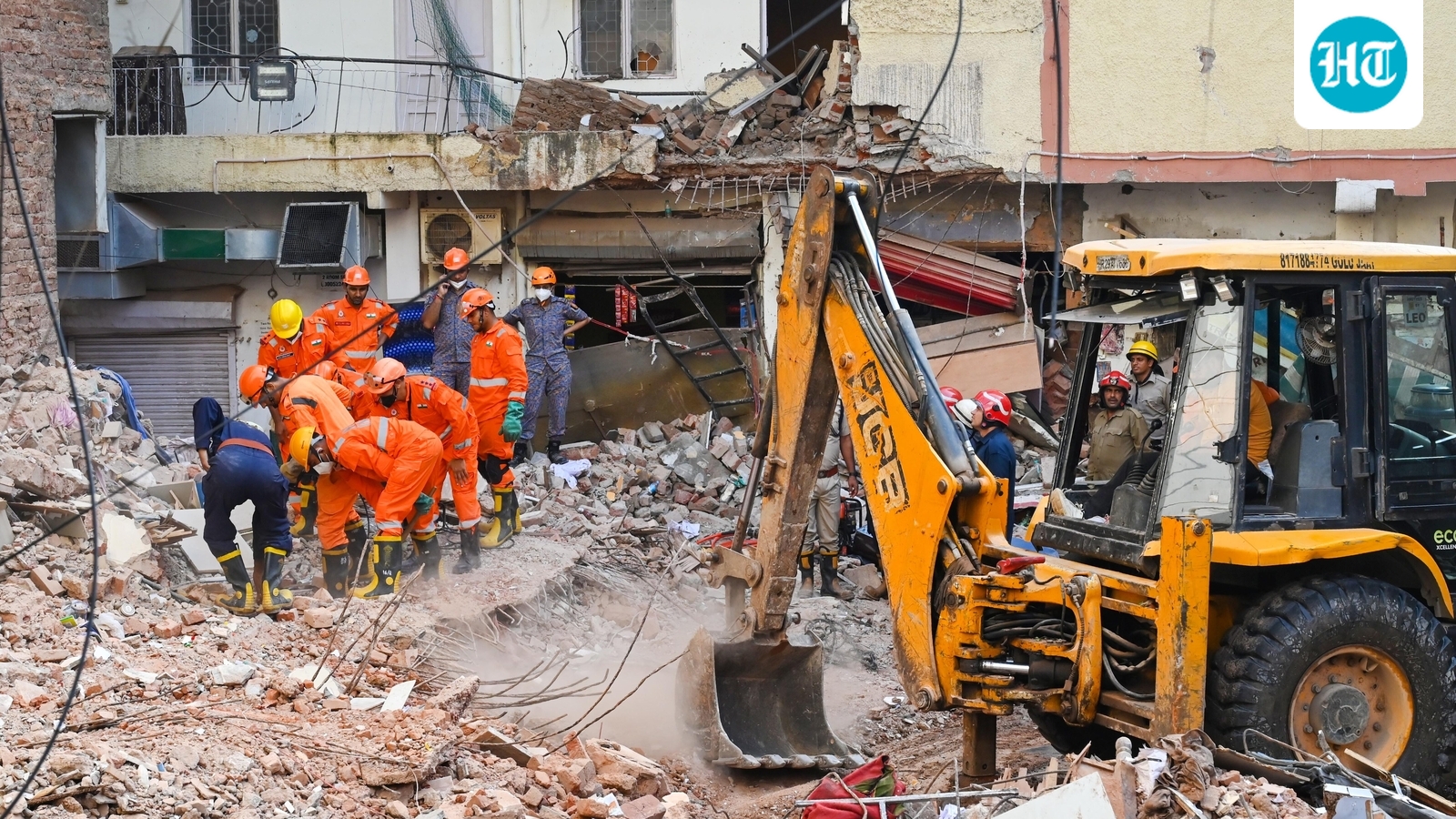
Delhi authorities are preparing to extend protective measures shielding illegal colonies from demolition for an additional three-year period, according to sources familiar with the development. The extension reflects mounting concerns over building collapses in unauthorised settlements and the slow pace of formal regularisation efforts across the capital.
The proposal gains traction as the Prime Minister's Unauthorised Colonies in Delhi - Affordable and Decent Housing (PM-UDAY) scheme continues to struggle with adoption. Since its launch, the regularisation initiative has processed only 137 applications, with just 22 receiving formal approval. The modest uptake has prompted policymakers to maintain interim protections while pushing for improved compliance.
Illegal colonies, which house substantial portions of Delhi's population, have remained a persistent urban governance challenge. The extended safeguard period would provide residents continued reprieve from eviction while authorities work to streamline regularisation procedures. Officials believe the additional time will allow more residents to navigate the complex approval process under PM-UDAY.
The safety concerns underpinning the extension highlight structural vulnerabilities in unauthorised settlements, where construction often occurs without proper engineering oversight or adherence to building codes. Authorities have previously attributed several residential collapses in such areas to substandard construction practices and inadequate infrastructure.