World · India Bureau
Delhi faces massive infrastructure challenge as population projected to hit 32 million
The Master Plan for Delhi outlines substantial investments required across water, sewage, waste management, drainage and power systems to accommodate a projected population of 32 million by 2047. Current infrastructure systems face significant strain under the capital's rapid expansion.
LSN India ·
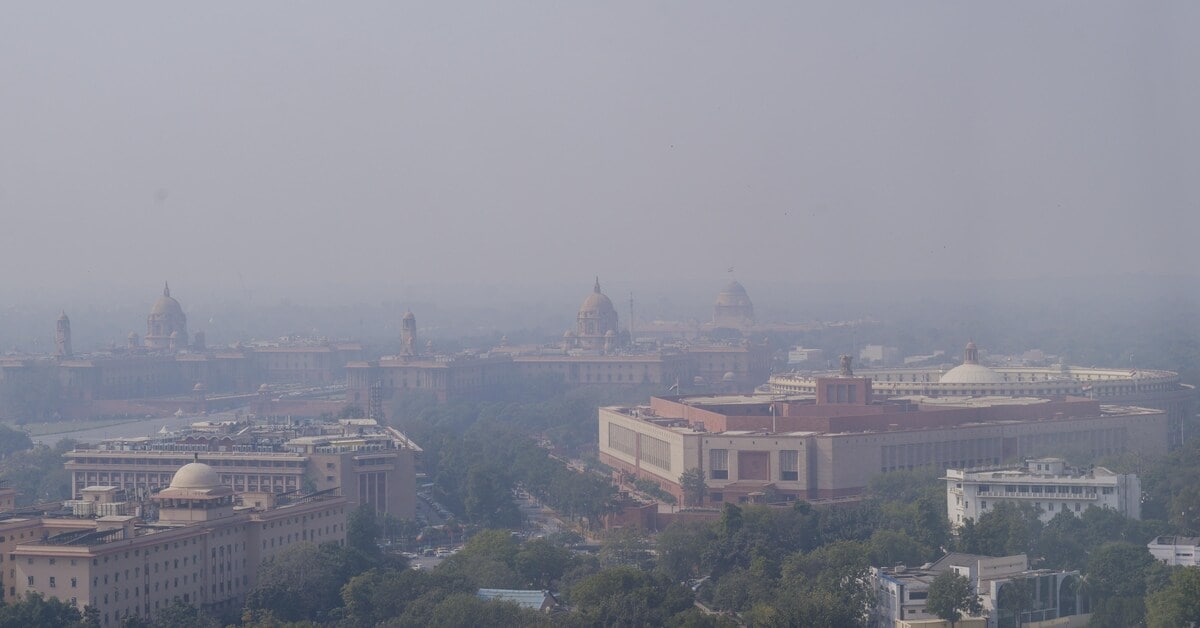
Delhi's rapidly growing population poses an unprecedented challenge to the capital's aging infrastructure networks, according to projections outlined in the Master Plan for Delhi. With the national capital's population expected to reach 32 million residents by 2047, municipal authorities have begun quantifying the scale of investment needed to prevent a breakdown in essential services.
The Master Plan identifies critical gaps across multiple infrastructure sectors. Water supply systems, sewage treatment facilities, waste management operations, drainage networks and power generation capacity all require substantial expansion and modernization to serve the projected population. Currently, these systems operate under considerable stress, with demand frequently exceeding capacity during peak seasons.
The projections represent a 40 percent increase from Delhi's current population of approximately 23 million, compounding existing challenges in service delivery. Water scarcity, inadequate sewage treatment infrastructure and mounting waste generation have emerged as persistent problems in recent years. Drainage failures during monsoon seasons have repeatedly overwhelmed existing systems, leading to urban flooding in vulnerable areas.
The Master Plan estimates detailed infrastructure requirements for each sector, providing a roadmap for the municipal and state authorities tasked with implementing upgrades. However, experts have raised concerns about the pace and adequacy of current infrastructure development, warning that without significant investment and efficient planning, service deficits could deepen substantially in the coming decades.