World · India Bureau
Delhi Grapples with Balancing Protest Rights Against Security Concerns
New Delhi faces mounting pressure to reconcile citizens' constitutional right to demonstrate with the city's need for robust security measures and uninterrupted public services. The challenge reflects broader tensions between democratic freedoms and urban governance in India's capital.
LSN India ·
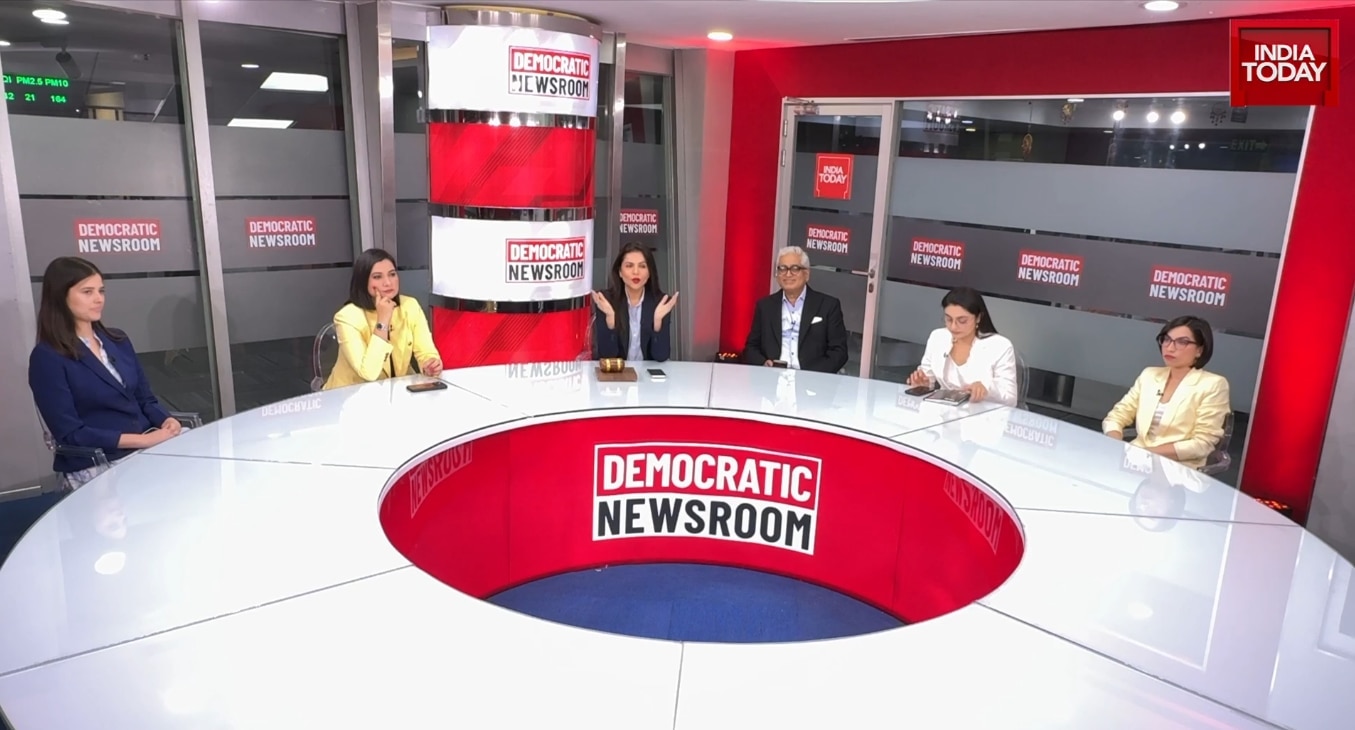
Delhi's administration confronts an increasingly complex policy question: how to safeguard the right to peaceful protest while simultaneously maintaining public order and ensuring minimal disruption to city services and commuters. This balancing act has grown more challenging as the capital witnesses frequent demonstrations on issues ranging from labour rights to environmental concerns and political grievances.
Constitutional protections guarantee Indian citizens the right to assemble and protest. However, large-scale demonstrations in a densely populated metropolis often lead to traffic congestion, disrupted public transport, and broader inconvenience to residents and businesses unconnected to the cause. Security agencies must simultaneously manage threats to public safety while distinguishing between legitimate protest activities and potential law-and-order disturbances.
City planners and law enforcement officials have explored designating specific protest zones and imposing time restrictions to minimize disruption. Some proposals include requiring advance notice from organisers and routing demonstrations through predetermined corridors. Proponents argue such measures can accommodate democratic expression while protecting general public interests.
Civil liberties advocates warn that overly restrictive regulations risk undermining constitutional protections and creating barriers to effective protest. They contend that some inconvenience is an inherent cost of functioning democracies, and that protest rights deserve primacy when conflicts arise with mere convenience.
As Delhi continues grappling with these competing demands, policymakers face pressure to devise frameworks that honour both democratic freedoms and practical governance needs—a resolution that remains elusive amid differing stakeholder priorities.