World · India Bureau
Delhi implements GRAP Stage-1 as pollution crisis deepens
Delhi authorities have activated Stage-1 of the Graded Response Action Plan to combat deteriorating air quality. The measure triggers restrictions on vehicles and construction activities across the capital.
LSN India ·
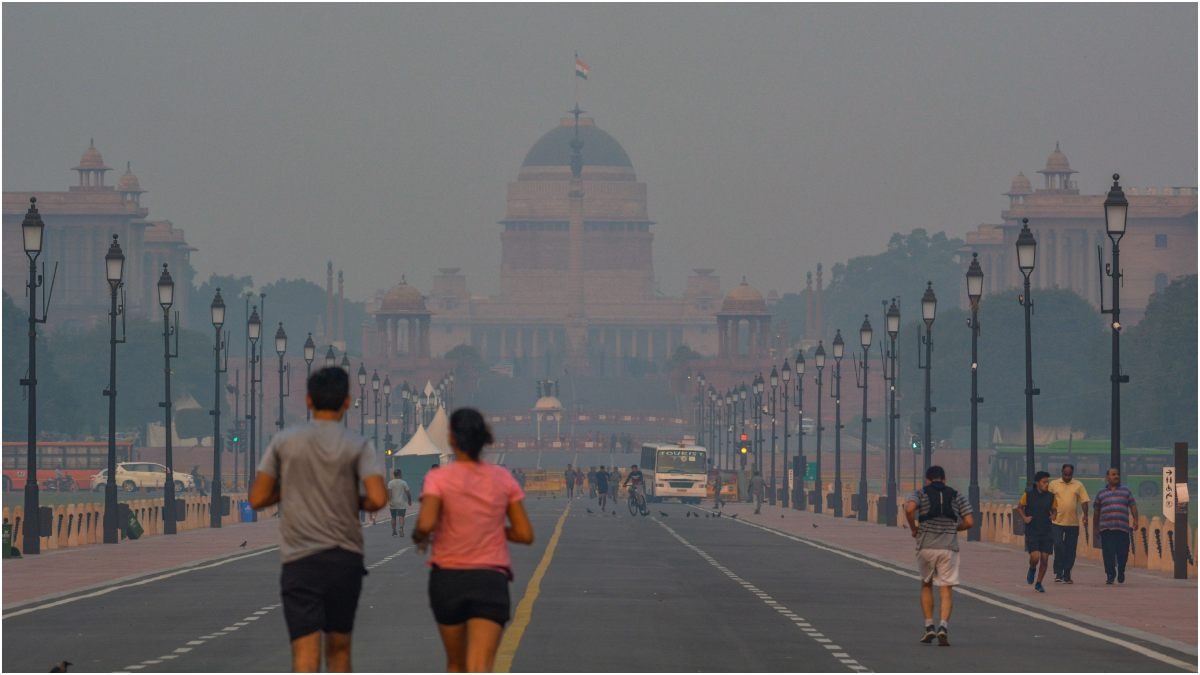
Delhi has implemented Stage-1 of its Graded Response Action Plan (GRAP) following a sharp rise in pollution levels across the national capital. The activation of the first phase of restrictions marks an escalation in measures to combat the seasonal air quality crisis that typically affects the region during winter months.
Under GRAP Stage-1, multiple restrictions have been imposed to reduce emissions and mitigate air pollution. The measures include curbs on certain categories of vehicles, with diesel-run commercial vehicles and older petrol automobiles facing movement restrictions during peak pollution hours. Construction and demolition activities have also been curtailed to prevent dust and particulate matter from entering the atmosphere.
The phased action plan operates on escalating levels of intervention, with Stage-1 representing the initial set of restrictions. Subsequent stages introduce progressively stricter measures, including complete bans on construction work and possible vehicle movement restrictions affecting larger portions of the vehicular fleet. The implementation of GRAP is typically triggered when air quality index readings reach specific thresholds indicating poor to severe air quality conditions.
Authorities have advised residents to monitor air quality updates and take necessary precautions, particularly elderly citizens, children, and those with respiratory conditions. The enforcement of these restrictions is expected to continue until air quality indicators show sustained improvement, signaling a transition away from the current pollution crisis.