World · India Bureau
Delhi implements strict curbs as air quality plummets to severe levels
The national capital has activated Stage 1 of the Graded Response Action Plan (GRAP), imposing restrictions on tandoor operations, waste burning, and construction activities to combat deteriorating air quality. The emergency measures take effect when pollution levels breach critical thresholds.
LSN India ·
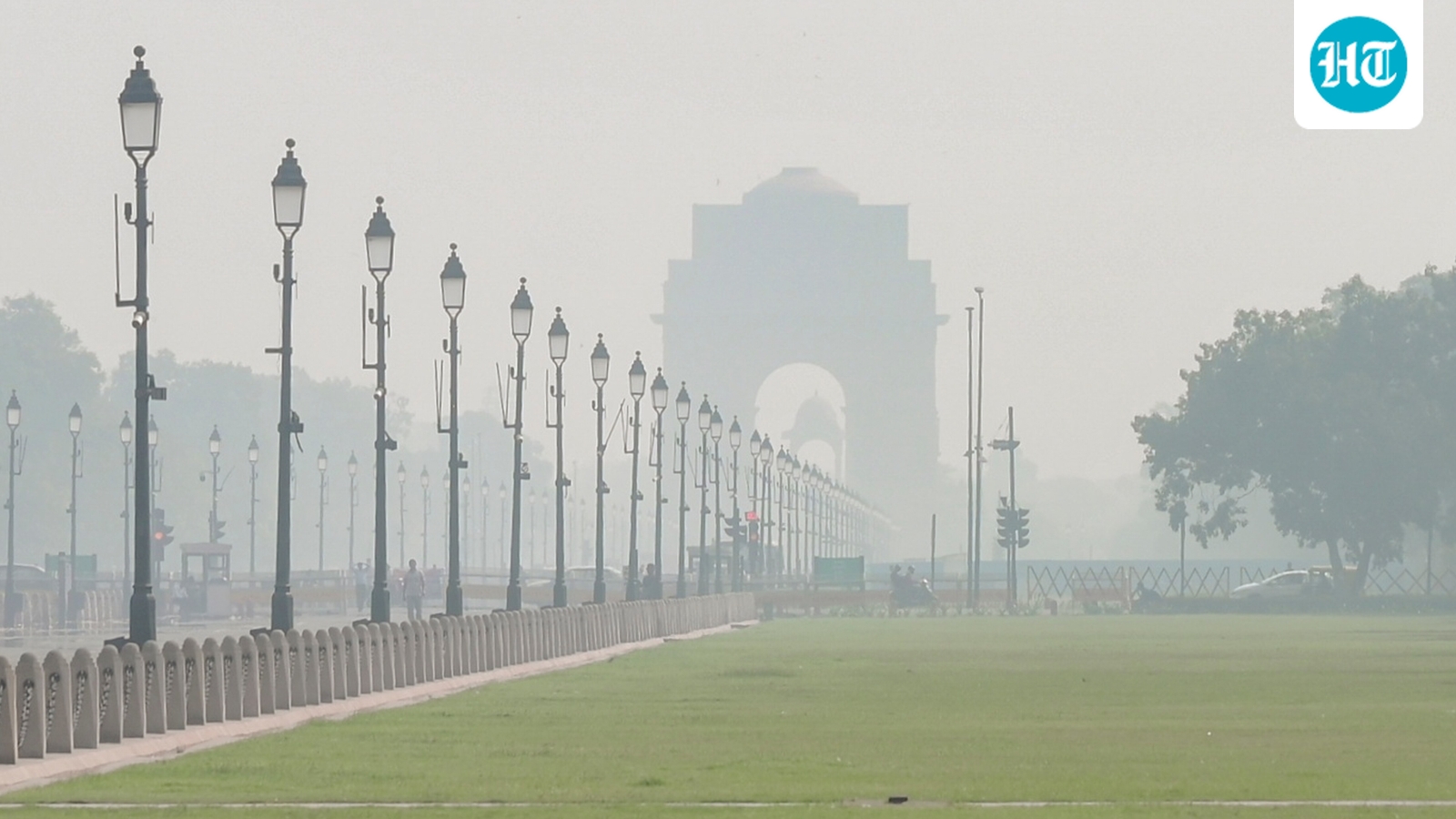
Delhi authorities have enforced Stage 1 restrictions under GRAP following a sharp decline in air quality across the region. The action plan represents a tiered emergency response designed to halt further atmospheric degradation when pollution indices cross predetermined danger levels.
Among the immediate curbs, commercial eateries have been prohibited from operating tandoors and other coal or wood-fired cooking installations. Open burning of waste, including agricultural residue and municipal refuse, faces a complete ban. Construction and demolition activities in non-essential sectors have also been restricted to prevent dust emissions that exacerbate air pollution.
The restrictions further prohibit the use of diesel generators for non-essential purposes and impose limits on commercial vehicles entering the city. Authorities have also banned the operation of hot mix plants and stone crushers that contribute significantly to particulate matter in the atmosphere.
GRAP functions as a graduated intervention system, with Stage 1 representing the initial enforcement level. Subsequent stages involving progressively severe restrictions can be activated if air quality indices worsen further. The plan includes provisions for increased public transport availability and advisories for vulnerable populations to limit outdoor exposure.
These measures remain in effect until air quality parameters show sustained improvement, with monitoring agencies conducting regular assessments to determine when restrictions can be relaxed.