Technology · India Bureau
Delhi launches round-the-clock pollution control command centre
The Delhi government has inaugurated an integrated command and control centre to monitor air quality and pollution levels across the capital. The facility will operate 24/7 and function as a war room during the winter pollution season.
LSN India ·
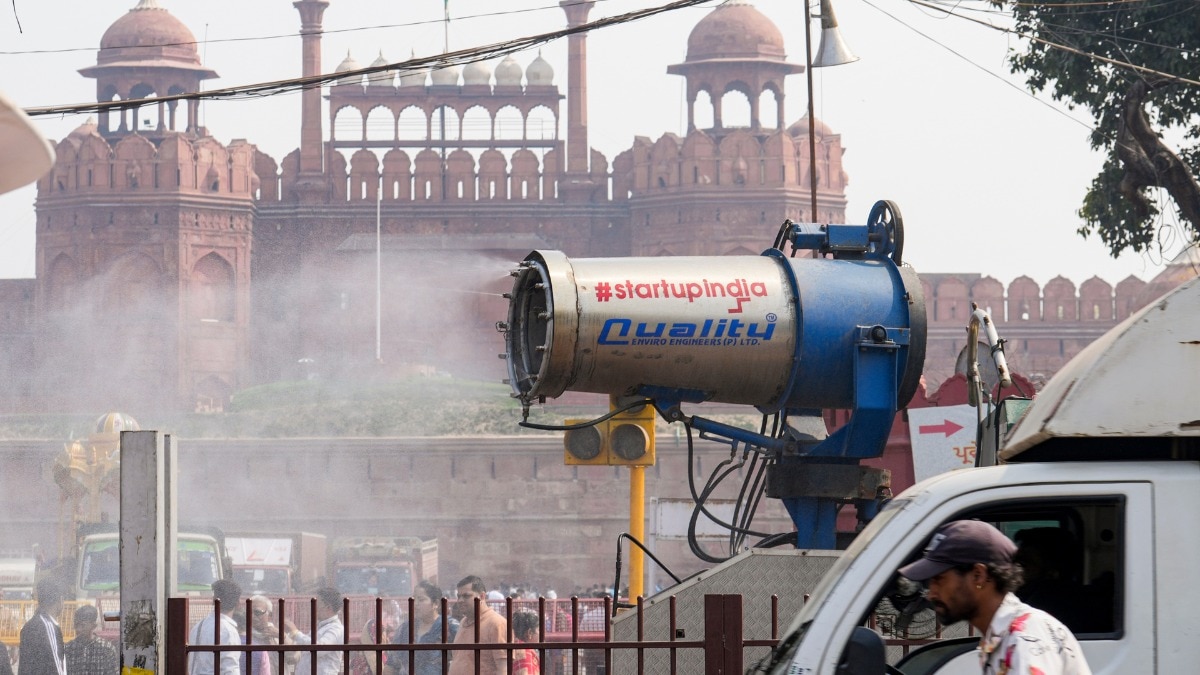
Delhi's Pollution Control Committee has opened an integrated command and control centre (ICCC) at the DMRC IT Park in Shastri Park, marking a significant step in the city's efforts to combat seasonal air pollution. Chief Minister Rekha Gupta inaugurated the facility, which will serve as a dedicated hub for coordinating pollution mitigation strategies throughout the year, with enhanced operations during winter months when air quality typically deteriorates.
The command centre will leverage advanced technology to monitor compliance across multiple fronts. Over 700 construction sites will be placed under AI-enabled CCTV surveillance, while road-sweeping machines will be equipped with GPS tracking to ensure consistent implementation of dust control measures. Anti-pollution teams will have body-mounted cameras connected directly to the centre, enabling real-time oversight of field operations.
The 24/7 operational model allows authorities to respond swiftly to pollution hotspots and coordinate between various agencies involved in air quality management. During winter months, when Delhi typically faces severe air quality challenges, the centre will intensify its monitoring and enforcement activities. The integration of multiple surveillance systems and data streams aims to provide a comprehensive picture of pollution sources across the city, enabling more targeted interventions.
Official sources indicated that the command centre represents a consolidation of existing monitoring efforts under a unified framework, allowing for better coordination between construction regulators, traffic management authorities, and pollution control officials. The facility's emphasis on real-time tracking and field verification is intended to improve compliance with dust and emission control measures that remain challenging to enforce across the sprawling metropolitan area.