World · India Bureau
Delhi Metro charges five rupees for toilet access: what the rules say
Delhi Metro stations levy a nominal fee for public toilet usage, raising questions about the fairness and regulatory framework governing such charges. The practice underscores ongoing debates about access to essential facilities in public transportation hubs.
LSN India ·
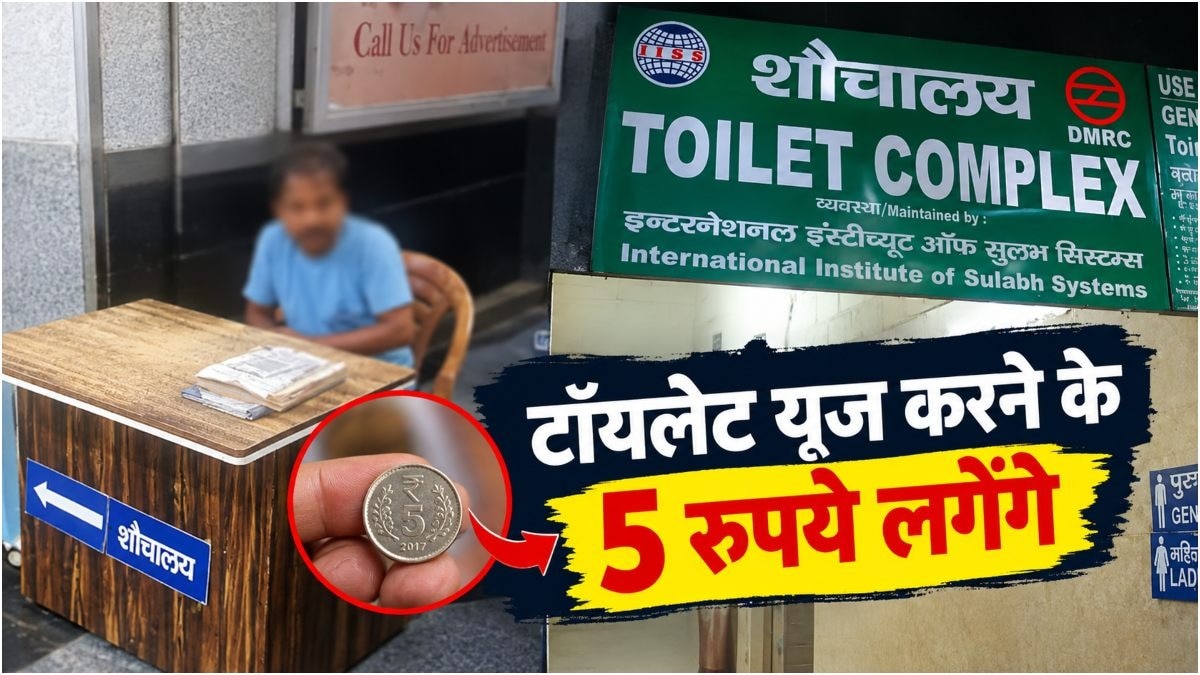
Public restroom facilities at Delhi Metro stations come with a five-rupee charge, a practice that has sparked discussions about affordability and regulation. The fee structure has prompted commuters and observers to examine the guidelines governing such charges at transit facilities.
According to operational norms, metro authorities are permitted to collect user fees for toilet maintenance and upkeep. The modest charge of five rupees is intended to fund cleaning, sanitation, and facility management. However, questions persist regarding whether such fees align with the principle of ensuring accessible public services for all commuters, particularly those from lower income groups.
Railway and metro guidelines typically allow for cost-recovery mechanisms through user fees, provided such charges remain reasonable and do not create barriers to access. The five-rupee levy falls within permissible limits under most regulatory frameworks governing public facilities. However, advocates argue for clearer communication of these charges and consideration of exemptions for regular commuters or economically disadvantaged users.
Metro authorities maintain that facility charges are essential to maintain hygiene standards and service quality. The revenue generated supports daily cleaning operations and infrastructure upkeep. Despite the regulatory clarity, the practice continues to generate debate about balancing fiscal sustainability with equitable public service delivery in mass transit systems across India.