World · India Bureau
Delhi Metro transforms from troubled project into global transit benchmark
From a challenging start in 2002, the Delhi Metro has evolved into one of the world's longest metro networks, becoming a model for public transportation systems across Asia and beyond.
LSN India ·
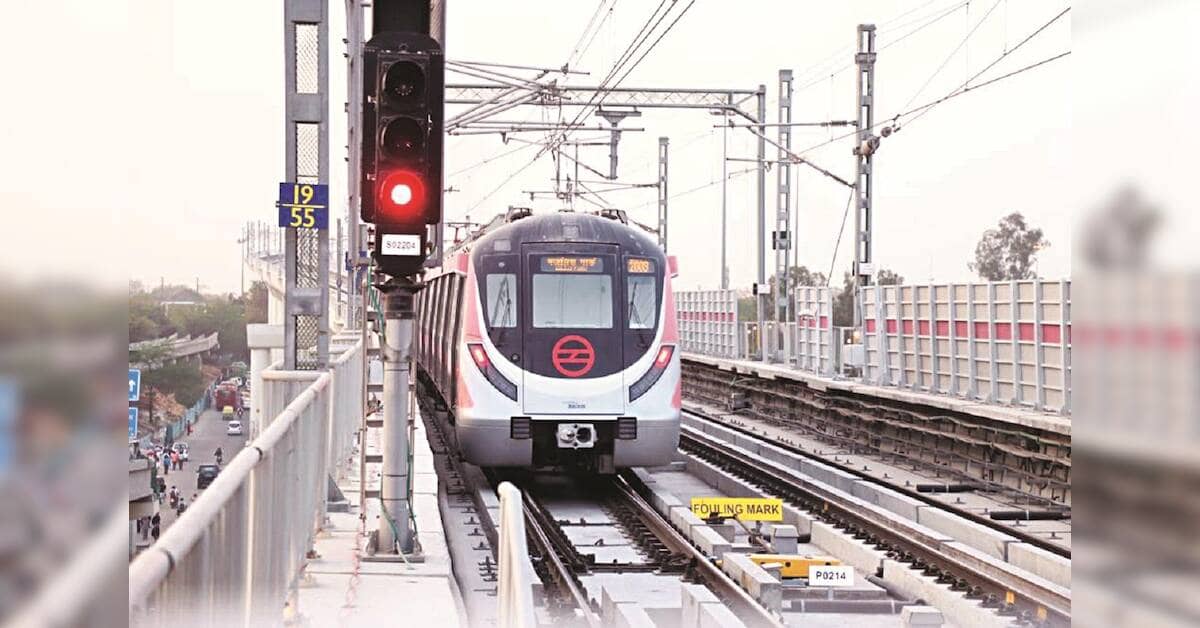
The Delhi Metro, which began operations two decades ago, has emerged as a beacon of successful urban transit planning despite facing significant hurdles in its early years. What started as an ambitious but troubled infrastructure project has since expanded into a sprawling network that serves millions of commuters daily across the National Capital Region. The system now ranks among the world's most extensive metro networks by length and passenger volume.
The journey from concept to reality was not without obstacles. The initial phases of construction encountered delays, cost overruns, and logistical challenges typical of large-scale infrastructure projects in India. However, consistent policy support, professional management, and technological innovation helped the system overcome these early setbacks and establish operational efficiency.
Today, the Delhi Metro stands as a testament to what can be achieved through sustained institutional commitment and strategic planning. The network's expansion has not only transformed commute patterns across Delhi but has also catalyzed urban development and economic activity along its corridors. Cities throughout South and Southeast Asia now study the Delhi Metro's operational model and expansion strategies.
The success of the Delhi Metro demonstrates the viability of large-scale public transportation investments in Indian metropolitan areas. Its evolution from a struggling enterprise to a globally recognized transit system has influenced planning discussions in other Indian cities and emerging urban centers across the region, reinforcing the importance of quality public infrastructure in supporting sustainable urban growth.