World · India Bureau
Delhi must treat housing as essential infrastructure, experts argue
Urban planners say India's capital has over-relied on regulatory measures to address its chronic housing shortage, neglecting the role of public provision in meeting demand.
LSN India ·
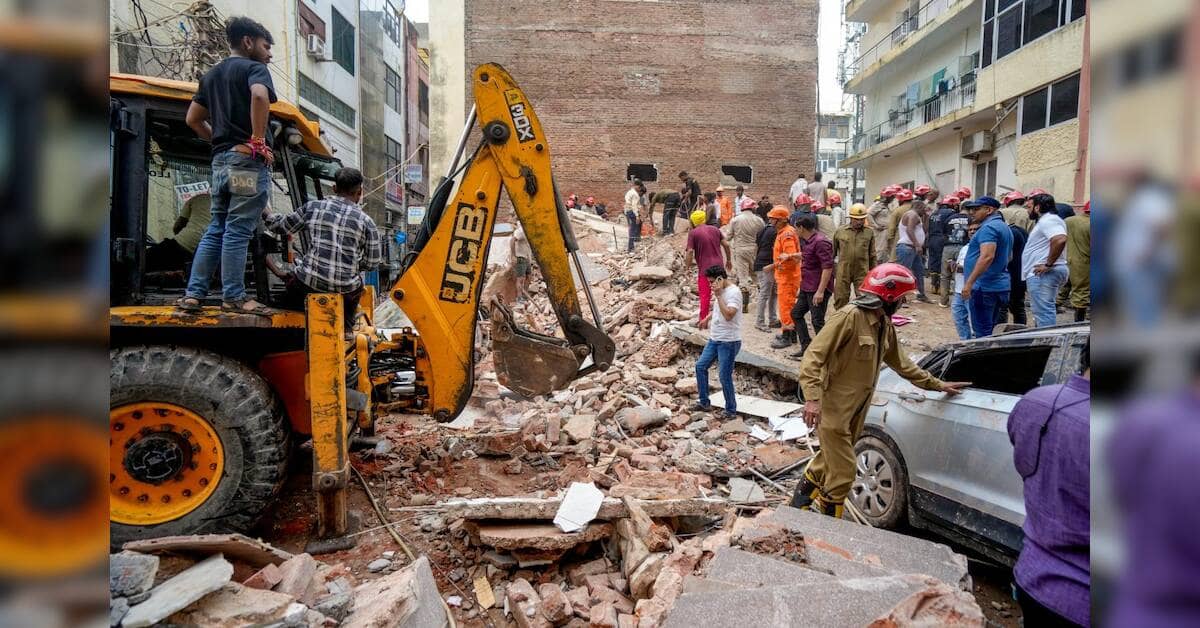
Delhi's approach to resolving its acute housing crisis has predominantly centered on regulatory frameworks, with policymakers using zoning laws and building codes as primary tools to manage demand. However, experts contend this strategy has proven insufficient, pointing to the need for a more comprehensive approach that treats housing as fundamental infrastructure rather than a secondary concern.
The capital's reliance on regulatory mechanisms alone has left significant gaps in supply, particularly for lower-income households struggling to find affordable accommodation. Urban development specialists argue that regulation, while necessary, addresses only part of the problem and cannot substitute for direct public provision of housing stock.
Public housing initiatives have historically played a limited role in Delhi's development agenda compared to regulatory approaches. Proponents of infrastructure-based housing policy suggest that treating residential construction as critical public infrastructure—similar to roads, water systems, and electricity networks—could unlock additional resources and streamline delivery mechanisms.
The distinction matters as Delhi grapples with a projected population exceeding 30 million residents. A balanced strategy incorporating robust public sector participation alongside regulatory improvements could better address housing deficits across income groups while building long-term urban resilience. Policymakers are increasingly examining models from other metropolitan areas that have successfully integrated housing into broader infrastructure planning frameworks.