World · India Bureau
Delhi-NCR grapples with fog-smog blend obscuring air quality picture
Distinguishing between natural fog and pollution-laden smog has become increasingly difficult for residents and authorities monitoring Delhi-NCR's air quality. The overlapping meteorological and pollution phenomena create hazardous visibility conditions while complicating efforts to assess actual pollutant levels.
LSN India ·
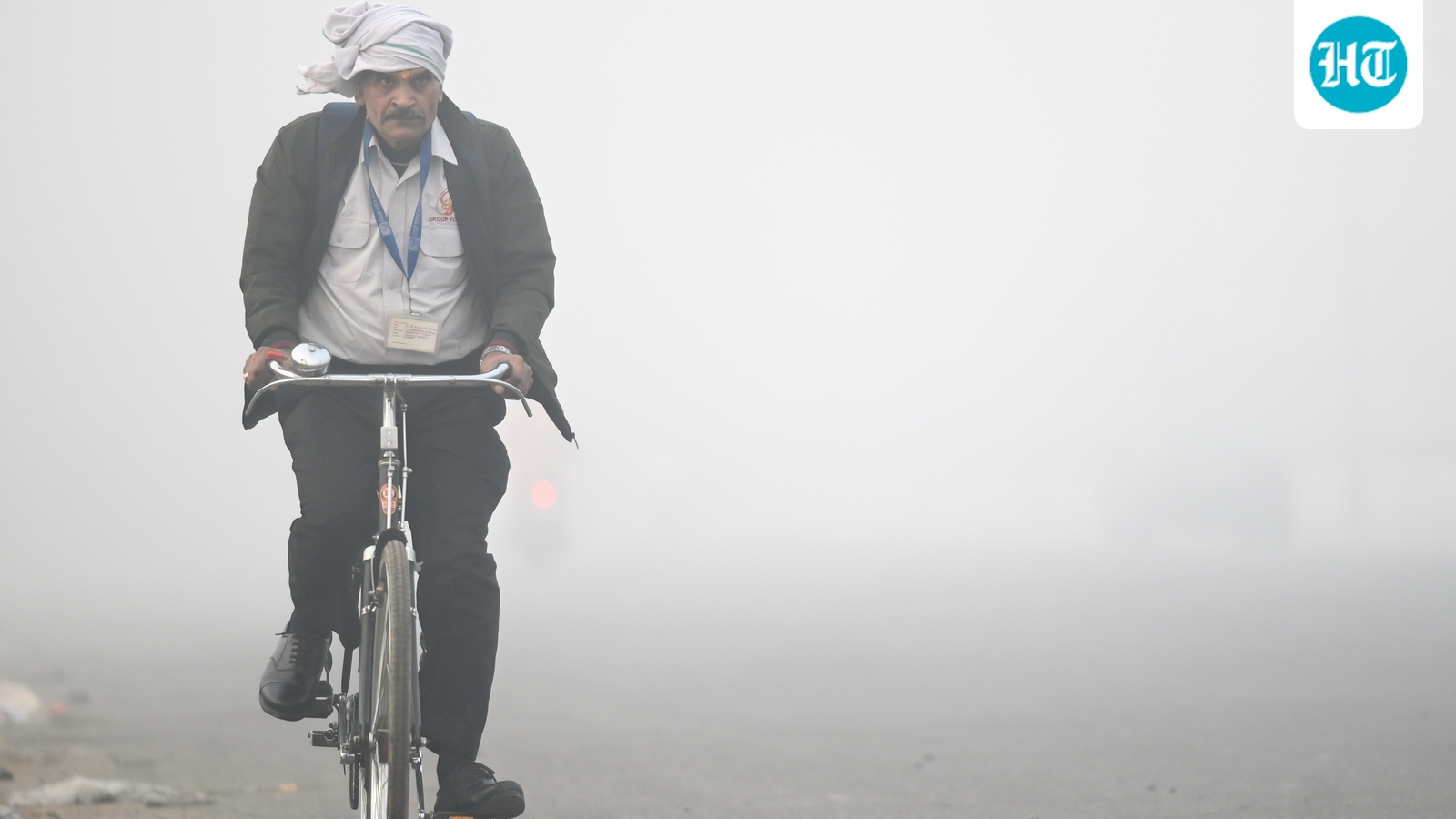
Delhi-NCR continues to face challenging visibility conditions during winter mornings, with a complex interplay between seasonal fog and airborne pollutants making it difficult for residents and air quality monitors to gauge actual pollution levels. When atmospheric moisture combines with suspended particulates and chemical pollutants, the resulting haze obscures whether poor visibility stems from natural weather patterns or hazardous smog accumulation.
This distinction carries significant implications for public health advisories and traffic management. While conventional fog disperses as temperatures rise during the day, smog—a combination of smoke, chemical pollutants, and suspended particles—persists and poses respiratory risks. On days when both phenomena occur simultaneously, distinguishing between them becomes nearly impossible without technical air quality monitoring equipment.
Meteorologists note that winter conditions in the Delhi-NCR region create ideal circumstances for fog formation due to temperature inversions and moisture accumulation. However, the region's pollution levels during this season compound the problem, as industrial emissions, vehicle exhaust, and agricultural burning create a pollutant-rich atmosphere. When fog develops in this contaminated environment, the particulates become trapped near ground level, intensifying the hazard.
Authorities and environmental experts emphasize that the presence of fog does not eliminate underlying pollution concerns. Residents should not assume that low visibility conditions are purely meteorological in nature, as pollutants may remain suspended even when fog appears to clear. Air quality indices and official advisories remain essential references for determining safe activity levels during the region's winter months.