World · India Bureau
Delhi-NCR's air crisis reflects broader public awareness deficit
Experts suggest that dangerously high air quality index readings across Delhi and the National Capital Region are compounded by low public understanding of pollution causes and solutions. The persistent smog crisis underscores gaps in both environmental action and civic consciousness.
LSN India ·
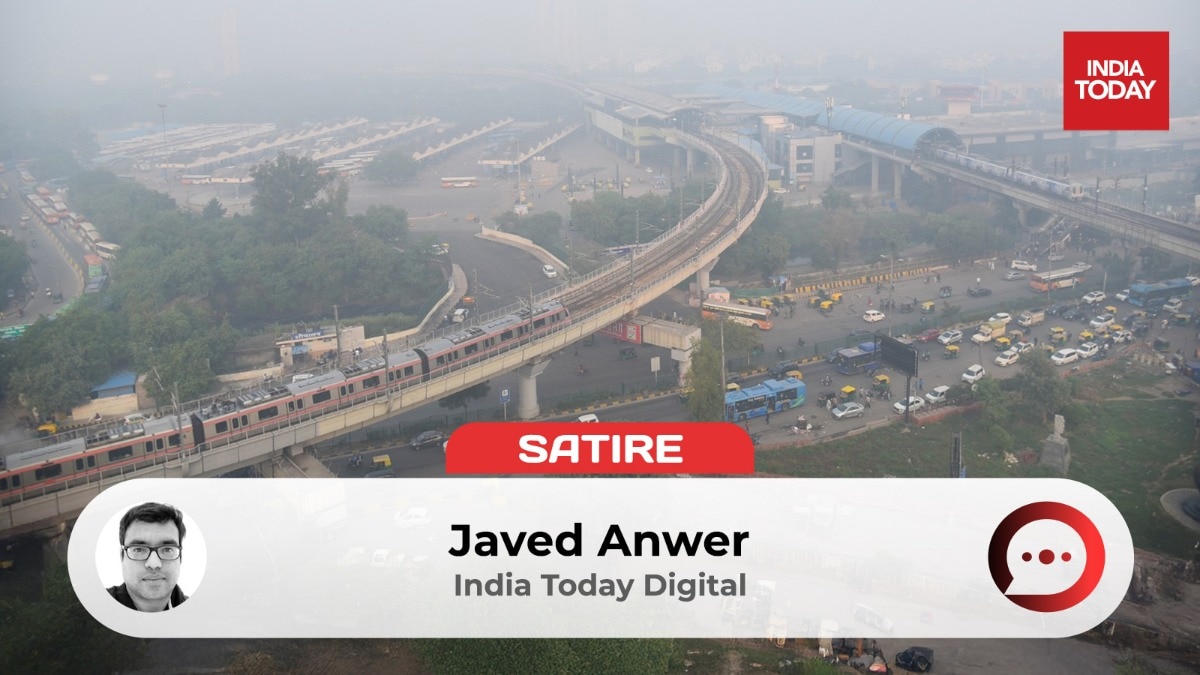
The Delhi-NCR region's chronic air pollution crisis represents more than just an environmental challenge—it reflects a deeper deficit in public awareness and engagement with the issue, according to observers tracking the capital's worsening air quality. With the Air Quality Index frequently reaching hazardous levels, particularly during winter months, the persistence of the problem points to insufficient understanding among residents about pollution sources and mitigation strategies. The correlation between high pollution indices and low public intelligence quotient regarding air quality suggests that awareness campaigns and educational initiatives have failed to create meaningful behavioral change across the region.
Despite recurring health warnings and pollution alerts, vehicular emissions, industrial discharge, stubble burning, and construction dust continue largely unabated. The failure to substantially reduce these contributors indicates that many residents and stakeholders lack sufficient knowledge about their individual and collective roles in worsening air quality. Government advisories to limit outdoor activities or use air purifiers address symptoms rather than root causes that require sustained public cooperation.
Environmental experts emphasize that resolving Delhi-NCR's air crisis demands a two-pronged approach: stringent regulatory enforcement coupled with intensive public education campaigns. Without improved understanding of pollution dynamics and personal responsibility, even well-intentioned policy measures struggle to achieve measurable improvements in air quality. The region's ongoing air pollution crisis thus reflects not merely administrative challenges, but a fundamental need to elevate public awareness and engagement on environmental sustainability.