Politics · India Bureau
Delhi Police defend ex-parte orders banning gatherings in capital zones
The Delhi Police has justified the issuance of six prohibitive orders in August to prevent civil unrest in key areas of the national capital. The orders, some extending through November, were issued following July protests that turned violent in New Delhi district.
LSN India ·
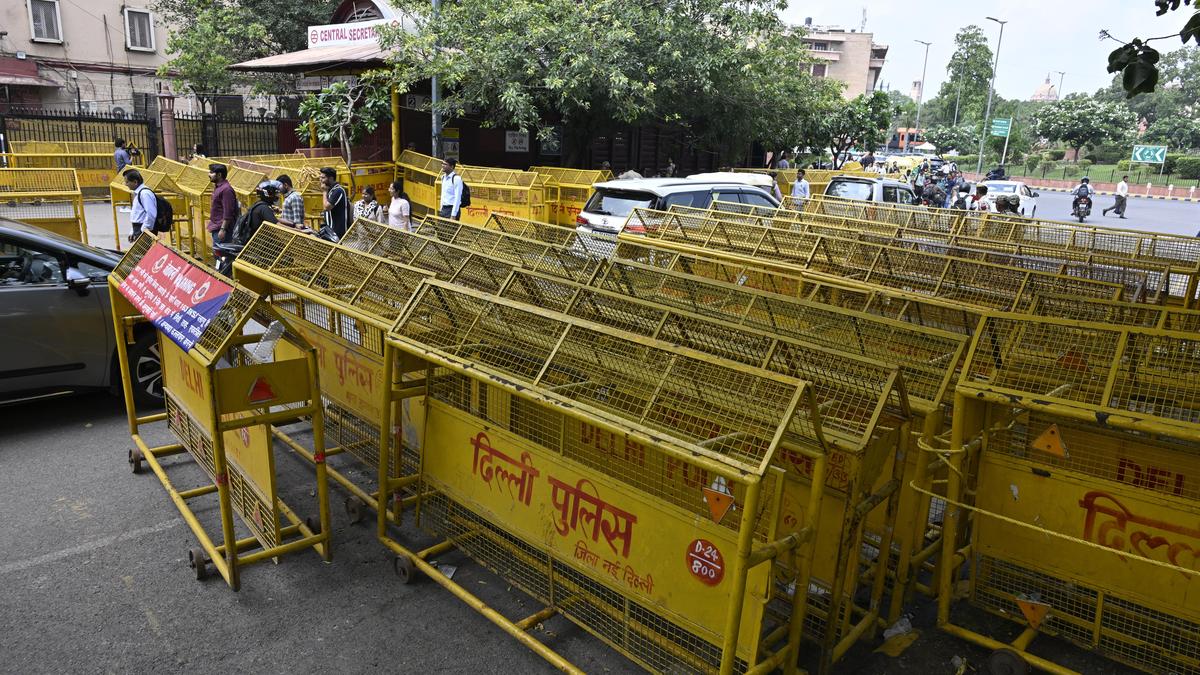
Delhi Police informed the Supreme Court that it had issued six prohibitive orders on or around August 20 to maintain public order in sensitive zones across the capital, citing the need to prevent a recurrence of violence witnessed during July 20 protests in New Delhi district.
The orders were passed ex-parte, meaning without hearing from the affected parties, a procedure permitted under law when authorities contend that immediate action is necessary to prevent unrest. The police argued that such measures were essential given the volatile situation that had emerged following the earlier demonstrations.
One of the six orders extends prohibitions on gatherings and processions from September 26 through November 24, effectively covering a two-month period. The orders restrict assemblies in key zones of the capital during this extended timeframe.
The disclosure before the apex court comes amid ongoing scrutiny of law enforcement practices during periods of civil unrest. The Delhi Police maintained that the ex-parte orders were proportionate responses to genuine threats to public safety and were issued within legal frameworks governing the maintenance of order.