Politics · India Bureau
Delhi Police deny protest permission; here's what law allows
Delhi Police rejected a request from the Confederation of All India Traders to hold a demonstration at Jantar Mantar, citing insufficient notice and potential public order disruptions. The decision raises questions about citizens' constitutional rights to protest in the national capital.
LSN India ·
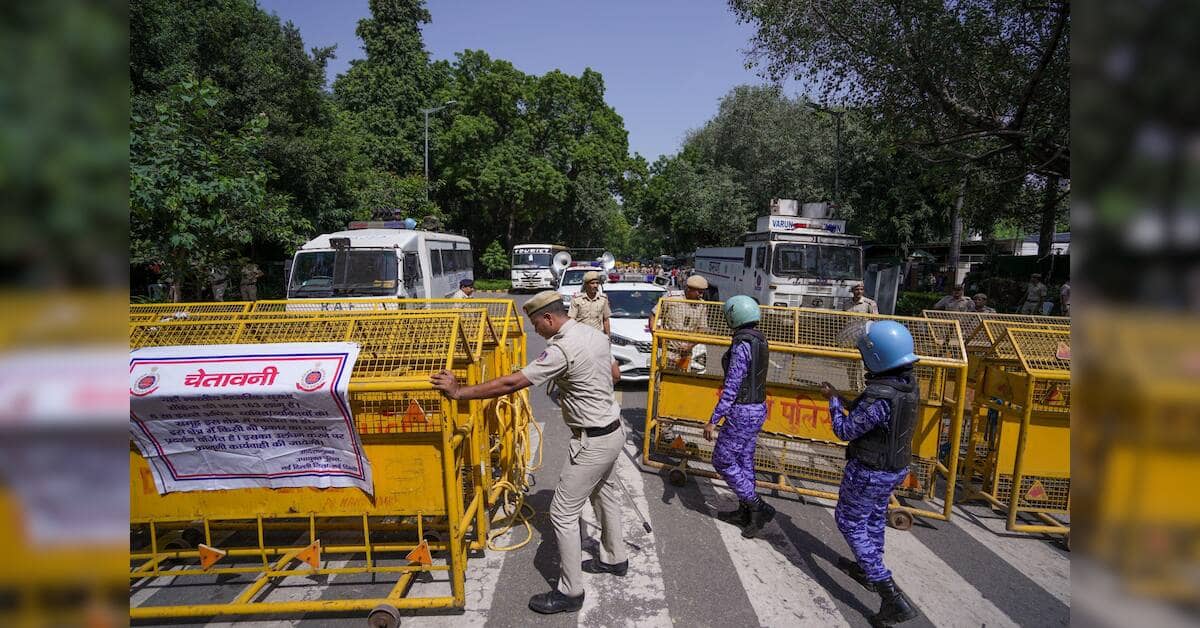
The denial of permission for the October 10 gathering highlights the tension between state authority and citizens' fundamental right to assemble. Under Article 19(1)(b) of the Indian Constitution, all citizens have the right to assemble peacefully and without arms, though this right is subject to reasonable restrictions imposed by law.
Delhi Police's refusal was grounded in two primary concerns: the petition was filed with inadequate advance notice, and authorities cited apprehensions about potential disruptions to public order. The police invoked Section 144 of the Criminal Procedure Code, which empowers district magistrates and senior police officials to impose prohibitory orders in areas where an unlawful assembly is apprehended.
Under Delhi Police regulations, organisers are required to submit applications for demonstrations at designated venues like Jantar Mantar at least 48 hours in advance. The application must include details of the proposed gathering, expected attendance, and security arrangements. These procedural requirements aim to balance protest rights with public safety concerns.
However, legal experts note that while the state retains authority to regulate demonstrations, blanket denials or arbitrary refusals can infringe upon constitutional protections. The Supreme Court has previously upheld citizens' right to peaceful protest while affirming the government's legitimate interest in preventing disorder. Each case requires authorities to examine whether proposed restrictions are proportionate to genuine threats.