World · India Bureau
Delhi Police knew of crime hotspot lighting gaps before assault
Security surveys had identified poorly lit areas near Aastha Kunj park as a vulnerability, with authorities flagging deficiencies to civic bodies. Yet a third of streetlights in southeast Delhi remain non-functional, raising fresh questions about implementation of safety measures.
LSN India ·
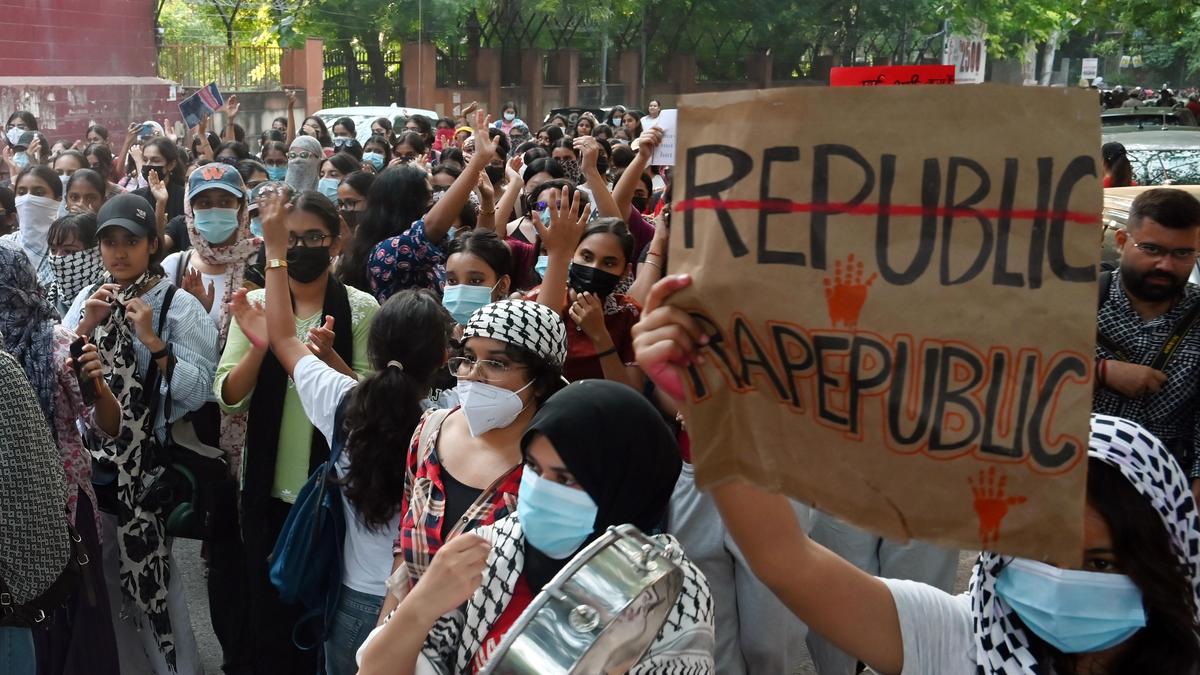
Delhi Police had previously identified the stretch around Aastha Kunj park as a crime-prone area with inadequate street lighting, according to internal security assessments conducted by the force. The surveys specifically noted gaps in illumination along vulnerable routes and communicated these deficiencies to municipal authorities responsible for maintenance.
A subsequent audit of street lighting infrastructure in southeast Delhi revealed the extent of the problem. Of 1,525 streetlights inspected across the region, approximately 485 were found to be non-functional, representing roughly 33 percent of the total. The high failure rate suggests that civic maintenance mechanisms have struggled to keep pace with repair and replacement demands.
The findings underscore a persistent gap between problem identification and resolution in the capital's public safety infrastructure. While Delhi Police conducted risk assessments and documented lighting deficiencies, the translation of these reports into concrete action appears to have stalled at the implementation stage, with civic agencies seemingly unable to address the backlog of repairs.
The incident at Aastha Kunj has renewed scrutiny on the effectiveness of coordination between police departments and municipal bodies in addressing known security vulnerabilities. Experts have long identified poor street lighting as a significant factor in crimes against women, making the maintenance of these systems a critical component of public safety planning.