Politics · India Bureau
Delhi Police revoke Jantar Mantar protest status, designate alternative venues
Delhi Police has de-notified the iconic Jantar Mantar as an authorised protest site and designated three new locations for demonstrations. The move has drawn sharp criticism from opposition parties who view it as an attempt to restrict dissent.
LSN India ·
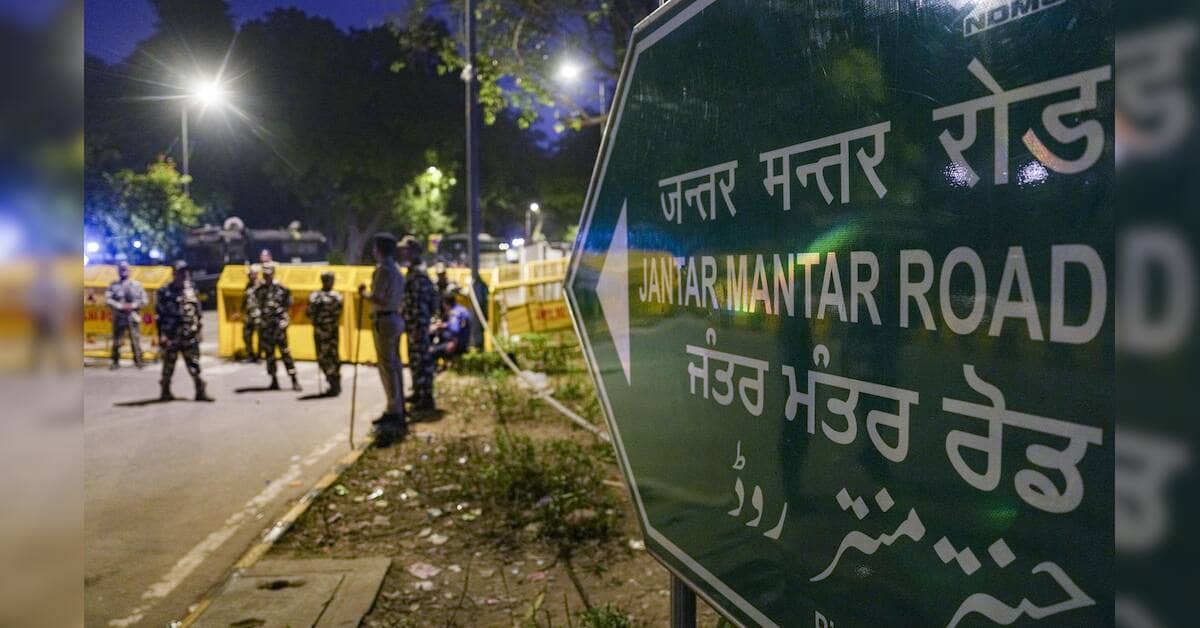
The Delhi Police's decision to withdraw Jantar Mantar's status as a designated protest venue marks a significant shift in the capital's demonstration landscape. The authorities have instead identified three alternative sites to accommodate public protests, though details about the new locations remained unclear. Jantar Mantar has historically served as the focal point for political demonstrations and civil society activism in New Delhi for over a decade.
Opposition leaders have denounced the de-notification as an effort to curtail democratic freedoms and restrict the space for legitimate protest. Several opposition parties have characterized the move as part of a broader pattern of restricting dissent in the national capital. The timing of the decision has drawn particular scrutiny given ongoing political tensions in the country.
In a related development, opposition leaders have initiated a march to the Supreme Court to challenge the Election Commission's Systemic Integrity Review (SIR) exercise. The opposition has raised concerns about the purpose and methodology of the review, viewing it as potentially compromising the independence of the electoral process. The combined impact of these developments has intensified the debate over democratic space and institutional autonomy in India.
The de-notification is likely to reshape the logistics of political mobilization in Delhi, potentially fragmenting the concentrated visibility that Jantar Mantar has provided to various causes over the years. Civil society groups and political organizations now face the challenge of adapting their protest strategies to accommodate the new regulatory framework imposed by the authorities.