Politics · India Bureau
Delhi prosecutors challenge mandatory biometric attendance system
Public prosecutors in Delhi are opposing a mandatory biometric attendance requirement, arguing that fixed tracking systems do not align with the operational needs of their courtroom duties. The dispute raises questions about whether standardized attendance measures can accommodate the variable nature of judicial work.
LSN India ·
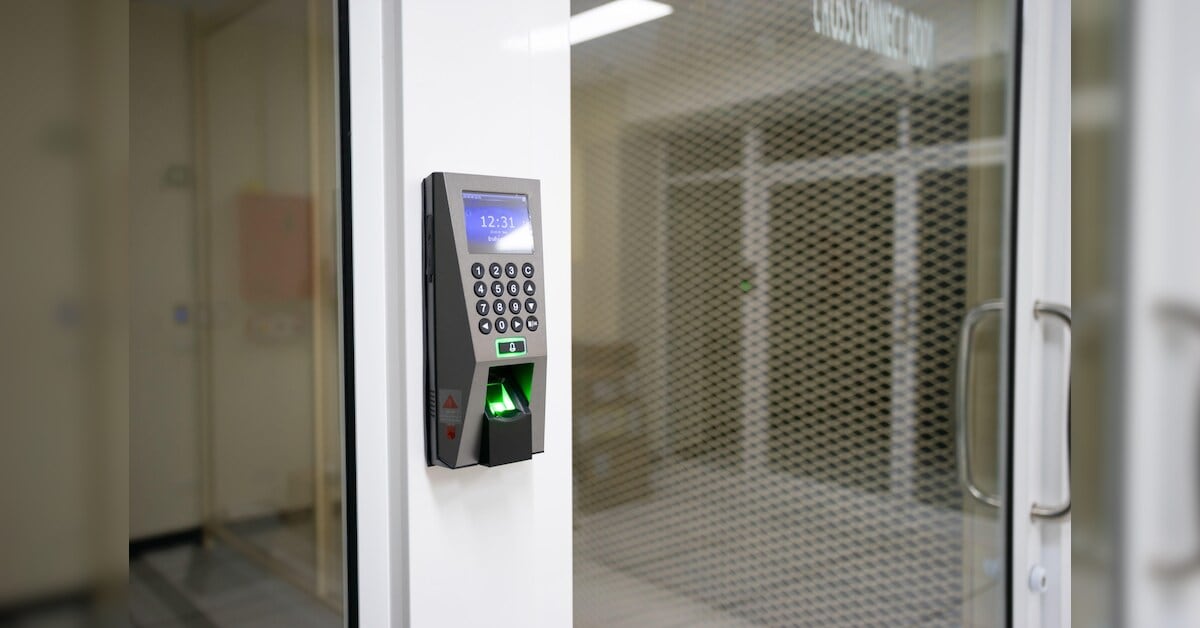
Delhi's public prosecutors have mounted a formal challenge against the implementation of mandatory biometric attendance systems, contending that rigid tracking mechanisms are incompatible with the nature of their professional responsibilities.
The core dispute centres on whether a fixed attendance framework can adequately accommodate the unpredictable demands of court work. Prosecutors argue that their duties often require them to move between multiple courtrooms, conduct investigations outside the courthouse, and respond to urgent judicial matters that make rigid time-and-presence tracking impractical.
The opposition highlights a broader tension between administrative oversight and operational flexibility in India's judicial system. While authorities implementing the biometric system aim to ensure accountability and monitor workplace presence, prosecutors contend that such standardized measures fail to account for the dynamic nature of court proceedings and the mobility required for effective case management.
The challenge reflects growing concerns among judicial officers about how modern attendance technologies can be adapted to suit professional environments where traditional office-based working patterns do not apply. The matter underscores the difficulty of implementing uniform administrative procedures across institutions with highly specialized operational requirements.