World · India Bureau
Delhi protest permissions: What activists need to know
A debate over police permissions versus notifications for demonstrations has intensified in Delhi, with activist groups questioning whether formal approval from authorities is legally required. The procedural requirements for staging protests in the national capital remain a point of contention.
LSN India ·
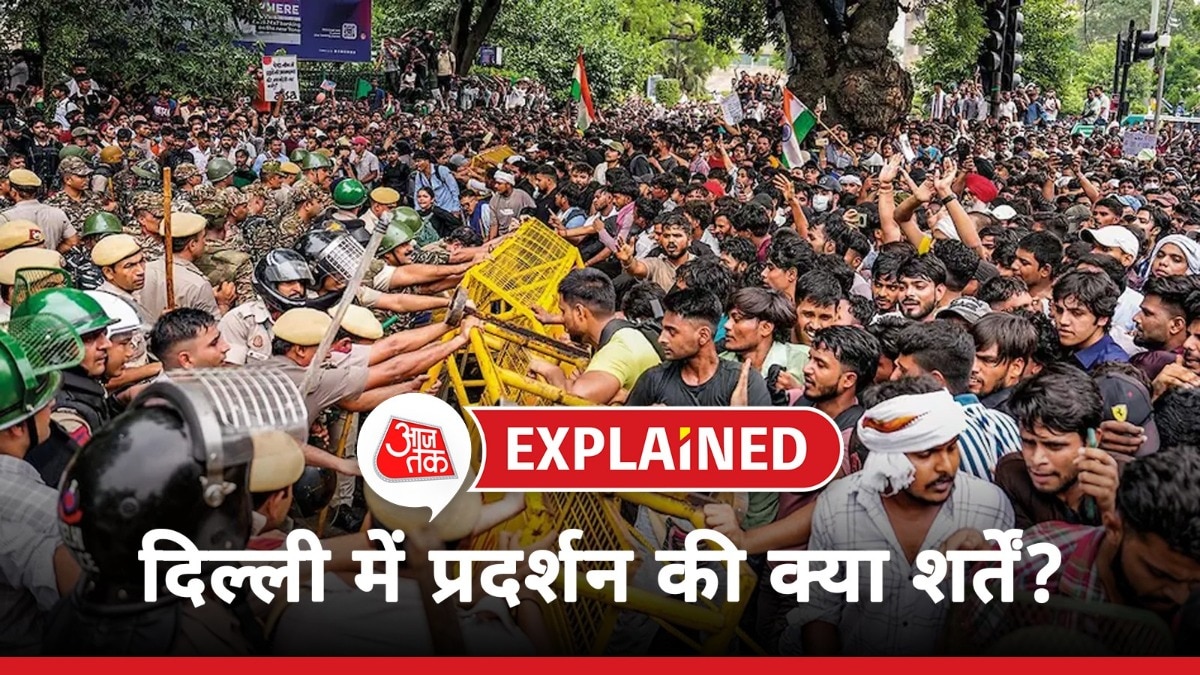
Delhi's regulatory framework for public demonstrations distinguishes between seeking formal permission and merely notifying police authorities, a distinction that has become increasingly contentious among civil society groups.
Under existing protocols, organizers of planned protests are required to intimate the Delhi Police about their demonstrations. However, the question of whether explicit police permission is a legal prerequisite remains disputed. Activist collectives argue that the right to protest is constitutionally protected, and that notification of authorities differs fundamentally from seeking approval.
The procedural requirements typically involve informing police about the demonstration's date, location, expected crowd size, and duration. For gatherings at designated protest sites such as Jantar Mantar, organizers usually submit advance notice to local police stations. However, legal experts point out that intimation and permission represent different legal concepts, with the former being informational and the latter implying discretionary authority.
Delhi Police guidelines specify that organizers should provide notice, preferably 48 to 72 hours in advance, allowing authorities to make security arrangements. However, the distinction between mandatory permission and voluntary notification continues to generate debate, particularly regarding the constitutional limits on state authority to restrict fundamental rights to assembly and expression.
Civil liberties organizations have consistently argued that citizens possess the constitutional right to peaceful protest, and that excessive procedural requirements should not function as de facto barriers to exercising these rights.