World · India Bureau
Delhi protesters face escalating penalties as Jantar Mantar demonstrations continue
Authorities in the national capital are moving to impose stricter measures against ongoing demonstrations at Jantar Mantar, with penalties ranging from monetary fines to potential imprisonment for participants who refuse to disperse.
LSN India ·
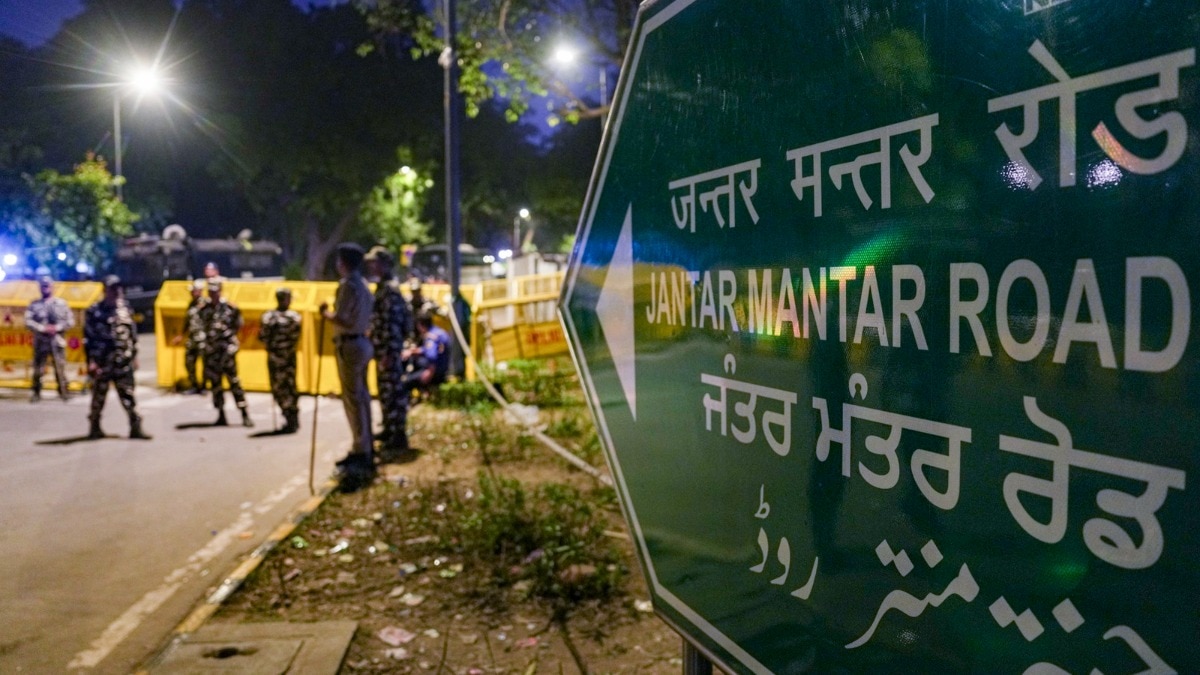
Demonstrators continuing their protest activities at Jantar Mantar in New Delhi are now facing the prospect of increasingly severe legal consequences, as enforcement authorities intensify action against the gathering. Those still present at the site risk facing substantial financial penalties, with officials warning that non-compliance could result in criminal charges carrying jail time.
The escalation reflects growing pressure on protest organizers and participants to vacate the popular demonstration venue, which has become a focal point for various advocacy groups and activists. Authorities have indicated that initial enforcement will involve fines for those found violating existing regulations, though repeat offenders and those resisting dispersal orders may face more serious criminal proceedings.
The development marks a significant hardening of official stance toward the sustained presence at Jantar Mantar, historically one of India's most recognizable protest sites. Officials have stated that continued unauthorized gatherings breach public order regulations and obstruct the area's regular use. Legal experts note that participants could face charges under relevant sections of the Indian Penal Code and local civic regulations, with potential imprisonment ranging from several months to longer periods depending on specific violations.
The situation underscores ongoing tensions between the right to peaceful assembly and government enforcement of public order regulations in the capital. Participants have been given opportunities to comply voluntarily, though authorities have indicated that sustained non-compliance will trigger progressively stringent legal action.