World · India Bureau
Delhi's 2047 Master Plan targets 4 million homes amid transit-led growth
New Delhi is charting a course for dense, mixed-use urban development centred on mass transit networks as part of its Master Plan 2047. The blueprint envisions accommodating a population of 32 million through strategic land pooling and infrastructure-driven expansion.
LSN India ·
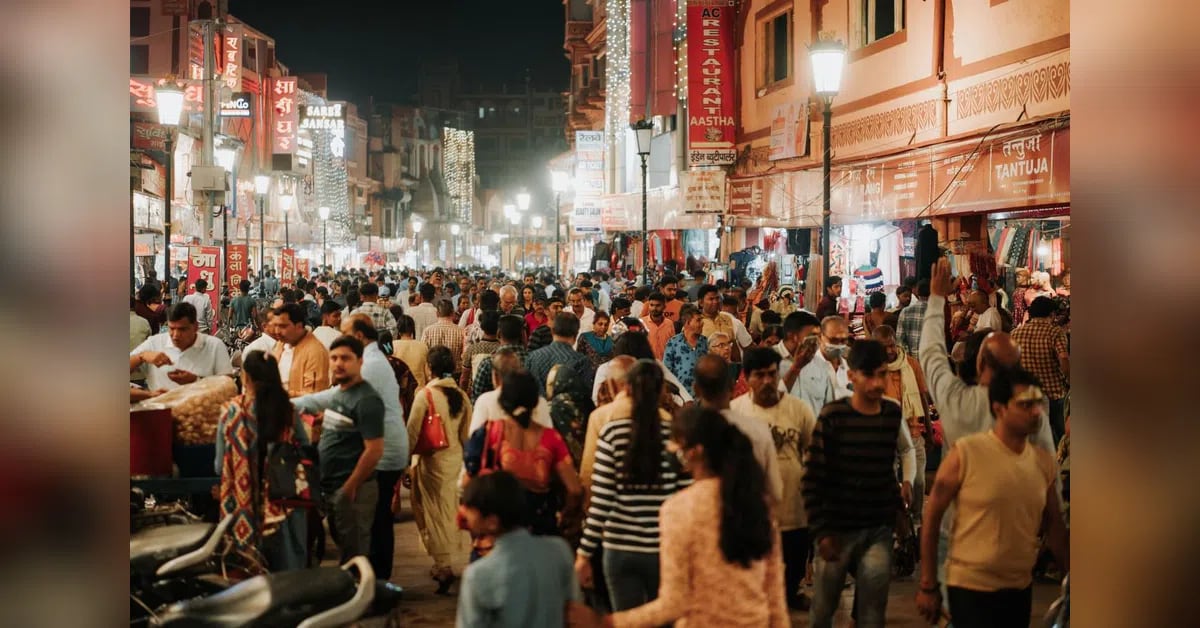
The Delhi Master Plan 2047 represents a significant shift in the capital's approach to urban growth, prioritising development along mass transit corridors rather than sprawl across peripheral areas. The plan targets construction of approximately 4 million residential units to house the projected population of 32 million by 2047, substantially higher than current estimates.
Central to the strategy is a transit-oriented development model that concentrates mixed-use projects—combining residential, commercial and retail spaces—around metro stations and bus rapid transit hubs. This approach aims to reduce commute times, lower transportation costs for residents, and create vibrant urban centres that support local economies.
The blueprint also emphasises land pooling mechanisms, which allow multiple property owners to consolidate fragmented land parcels for coordinated development. This method is intended to streamline acquisition processes, reduce costs, and ensure systematic infrastructure provisioning across the city.
Infrastructure expansion forms the backbone of the expansion strategy, with planners focusing on augmenting water supply, sewerage, power networks and road connectivity to support higher population densities. The plan reflects Delhi's attempt to balance growth imperatives with livability concerns, addressing the city's chronic housing shortage while maintaining environmental and social standards.