World · India Bureau
Delhi's air quality crisis: Understanding the seasonal pollution surge
Delhi continues to grapple with severe air pollution during winter months, driven by a combination of vehicular emissions, industrial activity, and agricultural burning. Experts warn that the capital's air quality poses significant health risks to millions of residents.
LSN India ·
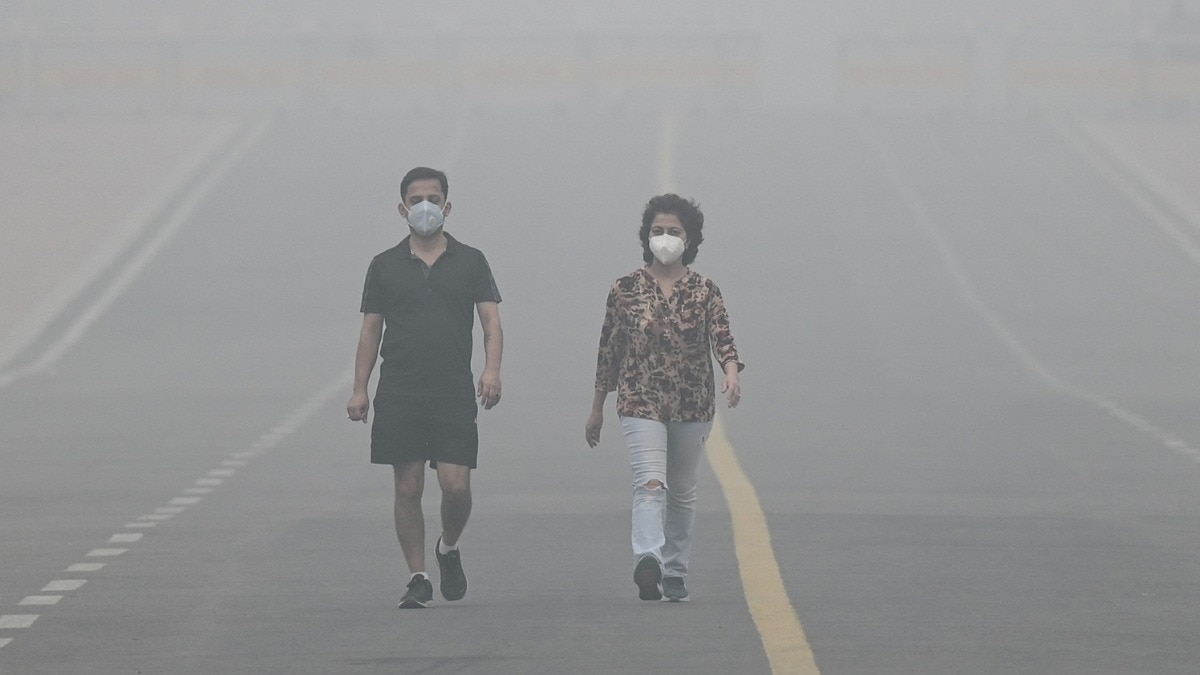
Delhi's air pollution levels reach critical thresholds each year as the winter season approaches, transforming the capital into one of the world's most polluted cities. The deteriorating air quality stems from multiple sources including vehicle emissions, construction dust, industrial pollution, and crop burning in neighbouring states, which collectively create a hazardous haze over the city.
The phenomenon intensifies between October and February when meteorological conditions trap pollutants closer to the ground. Lower temperatures and reduced wind speeds prevent the dispersal of particulate matter, causing Air Quality Index readings to frequently exceed hazardous levels. Delhi residents often experience reduced visibility and respiratory complications during this period.
Government agencies and environmental organizations have implemented various interventions to combat the crisis, ranging from vehicle restrictions to construction bans and public awareness campaigns. However, experts emphasize that tackling Delhi's pollution requires sustained, multi-sector efforts addressing industrial emissions, vehicular traffic, and agricultural practices in surrounding regions.
Health authorities continue to advise vulnerable populations including children, the elderly, and those with respiratory conditions to limit outdoor exposure during peak pollution periods. Long-term solutions, scientists note, require coordinated policy approaches across multiple states and sectors rather than isolated emergency measures.