World · India Bureau
Delhi's air quality data gaps mask pollution crisis on Deepavali
Multiple government monitoring stations in Delhi experienced data outages during peak pollution levels on Deepavali night, potentially obscuring the severity of air quality deterioration. Experts warn that missing pollution readings artificially lower Air Quality Index figures, creating a misleading picture of atmospheric conditions.
LSN India ·
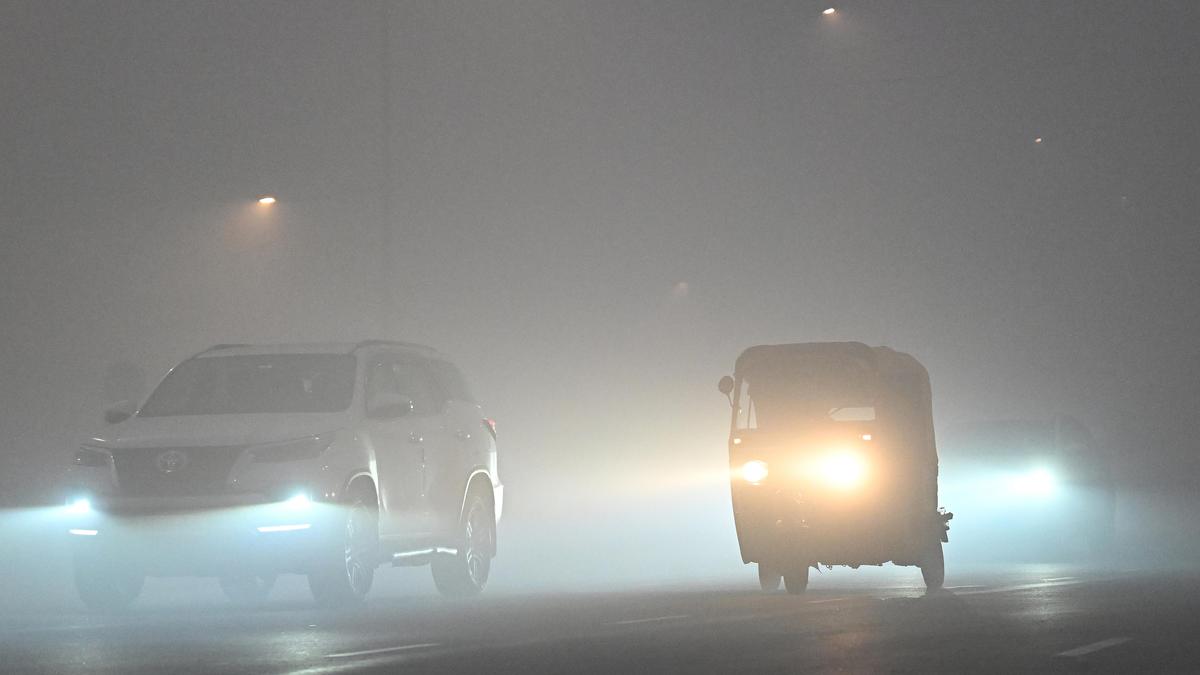
Several government-operated air quality monitoring stations across Delhi failed to record data during Deepavali festivities, when pollution levels typically reach seasonal peaks, raising concerns about the reliability of official air quality assessments during critical periods.
The data gaps occurred as hourly PM2.5 readings—a key measure of fine particulate pollution—went missing from multiple stations. Analysts from the Centre for Research on Energy and Clean Air noted that such absences distort the Air Quality Index, which relies on continuous monitoring data to provide accurate pollution readings to the public.
"When hourly PM2.5 data is missing, it will artificially lower the Air Quality Index, showing better air quality when the actual air quality is worse," said Manoj Kumar, an analyst with the research organization. The absence of readings effectively removes the most polluted hours from calculations, resulting in AQI figures that underestimate actual pollution levels.
The incident highlights persistent challenges in Delhi's air quality monitoring infrastructure, particularly during festive seasons when firecracker emissions compound vehicular and industrial pollution. The timing of the data loss—during peak pollution hours—compounds concerns about transparency in air quality reporting and public awareness of health risks.