World · India Bureau
Delhi's air quality monitors go silent as Diwali pollution peaks
Central Pollution Control Board data reveals PM2.5 readings at multiple Delhi monitoring stations approached dangerous levels of 1,000 micrograms per cubic meter on Diwali night before abruptly ceasing to report, while gas monitors continued functioning.
LSN India ·
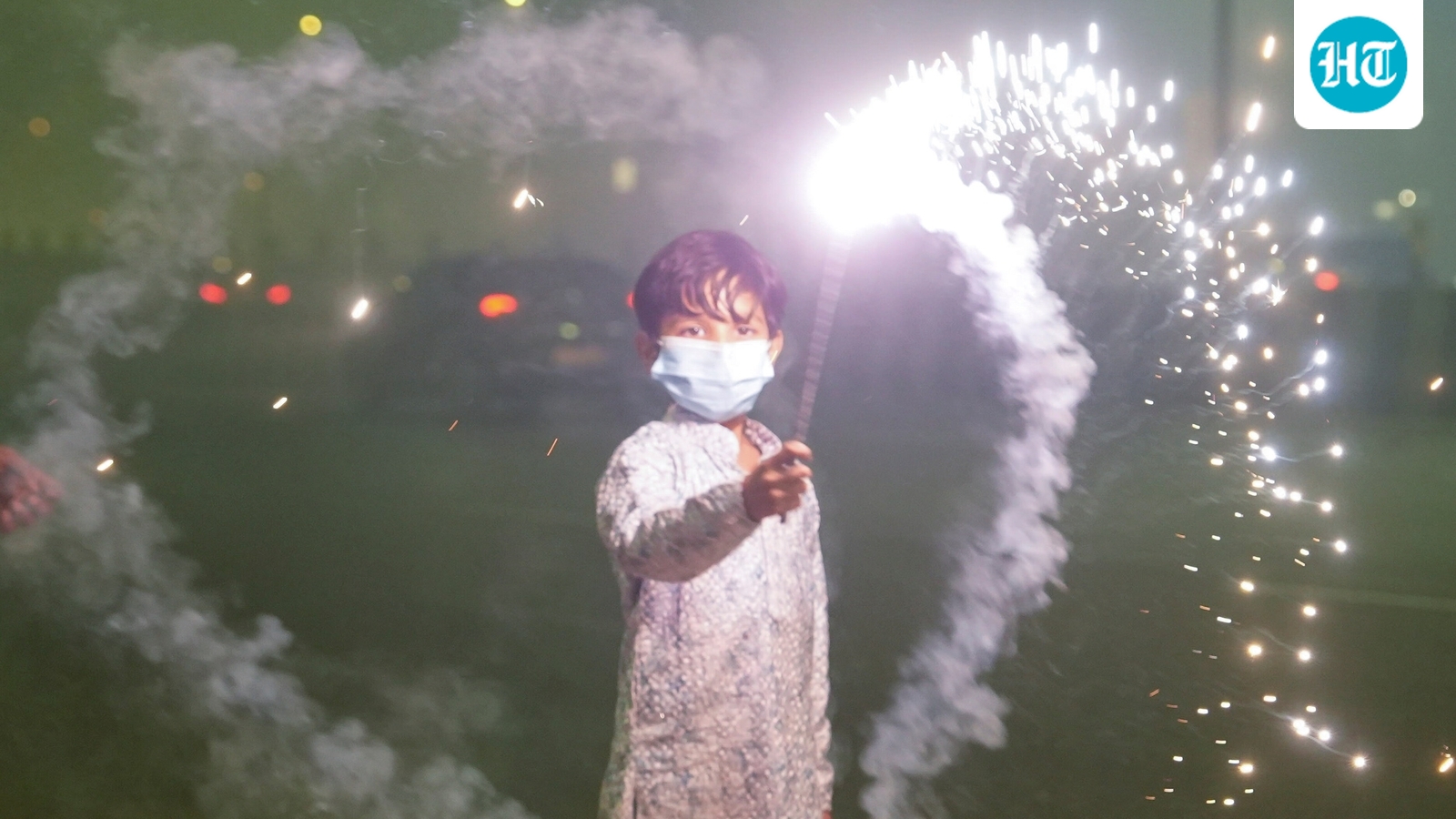
An analysis of Central Pollution Control Board records has exposed significant gaps in air quality monitoring across Delhi during Diwali celebrations, raising questions about data collection during the capital's most polluted periods. Fine particulate matter measurements at numerous monitoring stations climbed towards the 1,000 µg/m³ mark on the festival night before the readings stopped reporting altogether, according to available CPCB data.
The timing of the monitoring gaps coincided with peak firecracker bursting and the convergence of seasonal pollution factors, creating hazardous air quality conditions that went unrecorded at critical measurement points. Meanwhile, gas monitors at the same stations continued transmitting data, suggesting the cessation of PM2.5 readings was not due to complete equipment failure.
PM2.5—fine particulate matter smaller than 2.5 micrometers—poses significant health risks when concentrations exceed safe levels. The World Health Organization recommends a 24-hour average of 15 µg/m³, making readings approaching 1,000 µg/m³ a severe public health concern, particularly for vulnerable populations including children and the elderly.
The monitoring lapses highlight longstanding challenges in Delhi's air quality surveillance infrastructure during peak pollution episodes. Experts have previously raised concerns about data reliability during periods of extreme pollution, which often correlate with major pollution events in the region.