World · India Bureau
Delhi's Air Quality Plummets After Dussehra Festivities
Delhi's air quality index reached hazardous levels following Dussehra celebrations, with fireworks emerging as a significant contributor to the capital's deteriorating atmospheric conditions. The post-festival spike underscores the ongoing challenge of balancing cultural observances with environmental protection.
LSN India ·
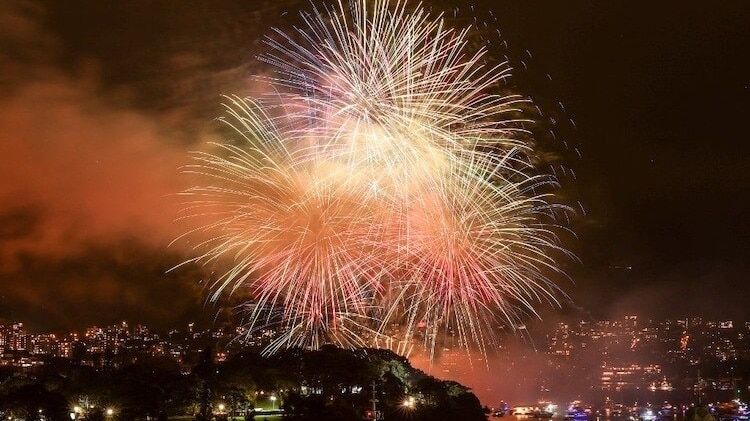
Air quality monitors across Delhi recorded toxic readings in the days following Dussehra, as widespread firecracker bursting pushed pollution levels into the severe category. The festival, celebrated with traditional pyrotechnics, coincided with a marked deterioration in the city's air quality index, alarming environmental authorities and health officials.
Fireworks constitute a major source of particulate matter and harmful gases during festival season, releasing pollutants directly into the atmosphere. The explosions introduce sulfur dioxide, nitrogen oxides, and fine particles that settle over the capital, combining with existing vehicular and industrial emissions to create hazardous air conditions.
The pattern of post-festival air pollution spikes has become a recurring challenge for Delhi, particularly during October and November when celebrations intensify. Environmental experts have long flagged the cumulative impact of festival fireworks, noting that even brief periods of intensive firecracker use can significantly worsen air quality metrics that take weeks to recover.
Authorities continue to grapple with regulating firecracker use during major festivals while respecting cultural traditions. The recurring air quality crises have prompted discussions around sustainable celebration practices, though enforcement remains difficult across the sprawling metropolitan region.