World · India Bureau
Delhi's air quality plummets to hazardous levels as pollution spikes overnight
The national capital's Air Quality Index breached the 500-mark, with nocturnal and early-morning hours recording the worst pollution concentrations. Experts attribute the phenomenon to meteorological conditions and reduced atmospheric mixing during nighttime hours.
LSN India ·
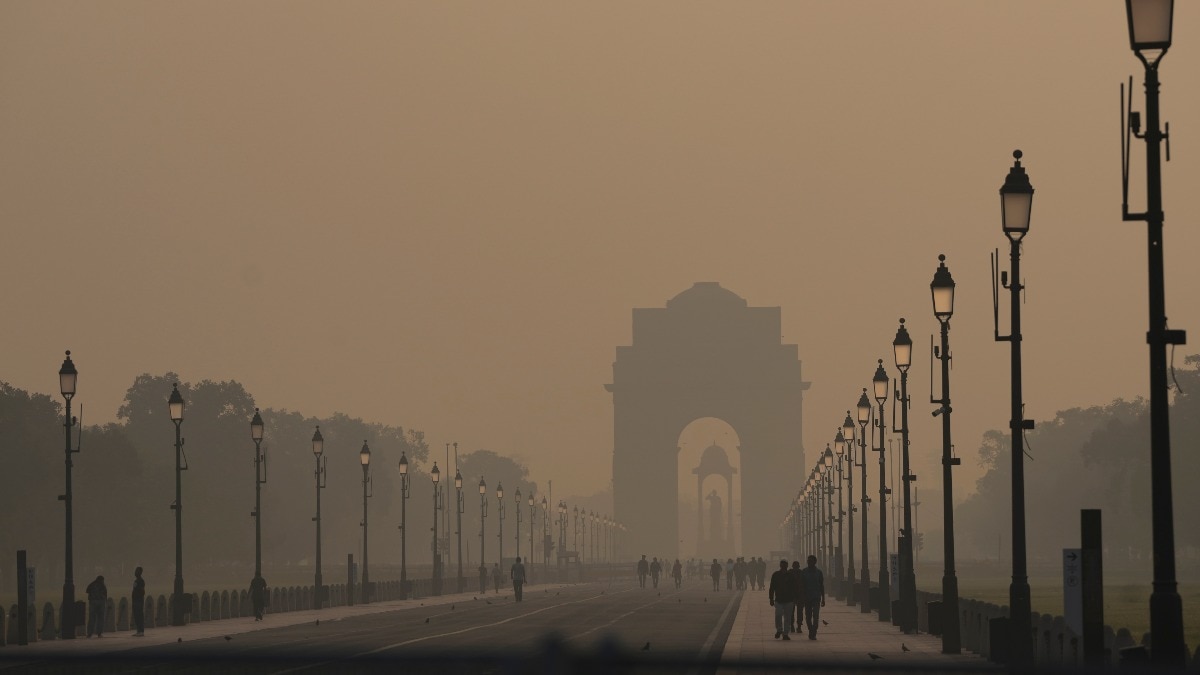
Delhi's air quality deteriorated sharply, with the Air Quality Index surpassing the 500-threshold—a level classified as hazardous for public health. The spike underscores a recurring seasonal pattern in which pollution concentrations escalate significantly during night and early-morning periods, exposing residents to dangerously elevated levels of particulate matter and airborne pollutants.
The nocturnal and dawn-hour pollution surge is primarily driven by atmospheric conditions that trap pollutants near ground level. During nighttime, stable atmospheric layers and reduced vertical mixing prevent pollutants from dispersing upward and away from populated areas. This phenomenon, combined with temperature inversions and calm wind patterns, creates a dense blanket of contaminated air that persists until morning heating allows vertical movement of air masses.
Meteorological factors play a critical role in Delhi's pollution cycles. Lower temperatures, reduced solar radiation, and minimal wind speeds during night hours all contribute to stagnant air conditions. When dawn breaks, solar heating begins dispersing trapped pollutants, though this process takes several hours, resulting in continued poor air quality through early morning commute times.
The recurring spikes underscore the seasonal challenges Delhi faces, particularly during winter months when meteorological conditions are most conducive to pollution accumulation. Health authorities have advised residents to limit outdoor activities during high-pollution periods and use appropriate protective equipment when venturing outside.