World · India Bureau
Delhi's Barapullah Phase III Project Struggles to Keep Pace With Traffic Growth
A decade-long delay in completing the Barapullah Phase III corridor has left Delhi planners grappling with a widening gap between infrastructure capacity and actual vehicular demand. The project designed to address 2010s traffic patterns now faces the challenge of serving a 2026 problem.
LSN India ·
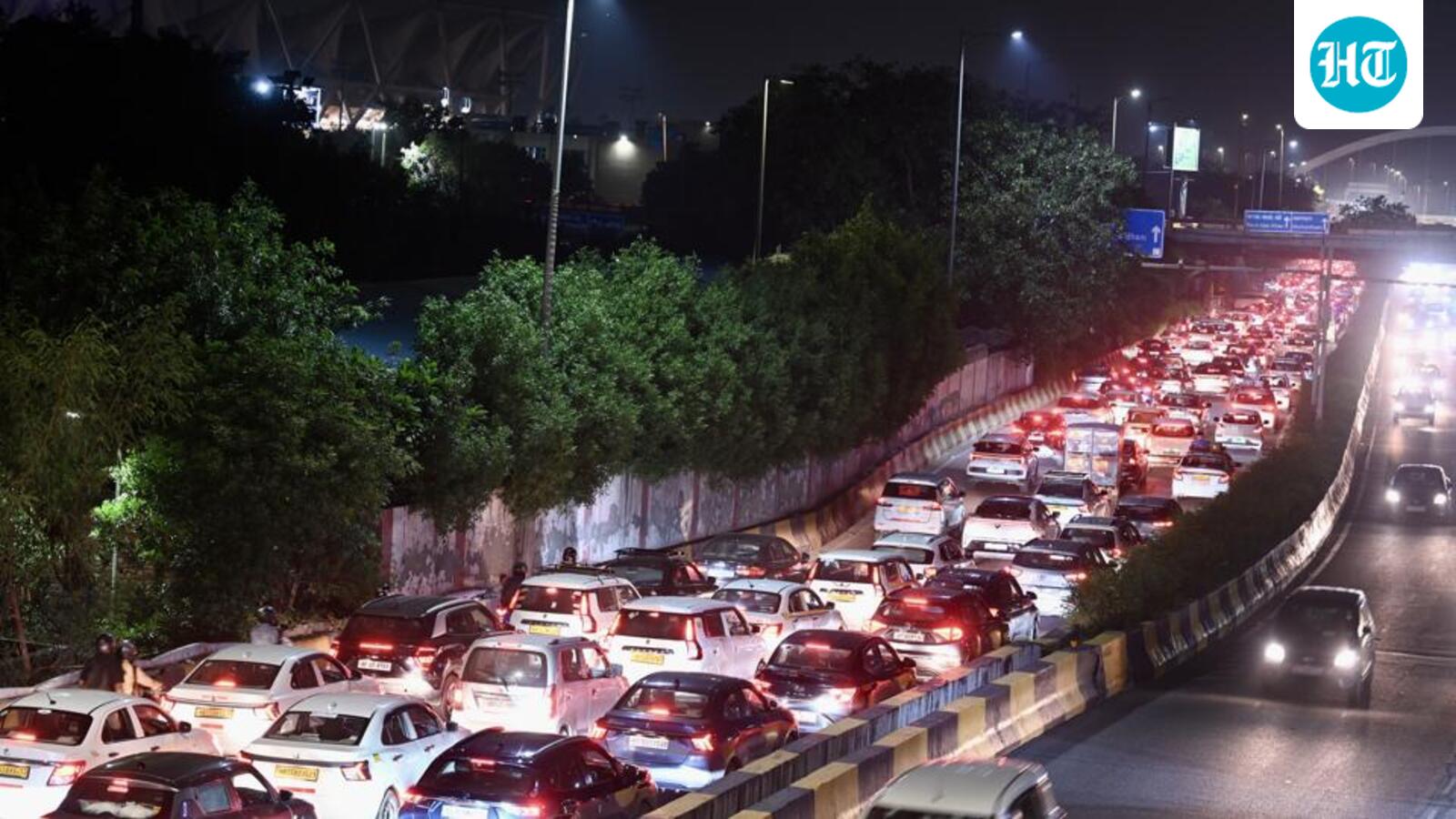
The Barapullah Phase III project, intended as a critical traffic solution for eastern Delhi, has fallen significantly behind schedule, with construction delays spanning more than a decade. The corridor, when originally conceived, was designed to handle anticipated traffic volumes based on earlier growth projections. However, the extended timeline has allowed the actual vehicle population in Delhi, Noida, and Ghaziabad to expand well beyond those initial estimates.
The infrastructure deficit has widened as the National Capital Region continued adding vehicles at rates that outpaced the original traffic models. East Delhi, along with the adjoining cities of Noida and Ghaziabad, have experienced substantial growth in vehicular traffic, with residents increasingly relying on personal vehicles for commute. This growth trajectory was not adequately anticipated when the Barapullah Phase III project was first conceived during the 2010s.
The situation highlights a recurring challenge in urban transport planning: the difficulty in accurately forecasting long-term traffic growth in rapidly developing metropolitan regions. Infrastructure projects that face delays risk becoming outdated before completion, unable to address the actual traffic conditions they encounter upon opening. The corridor's delayed completion means the facility will likely operate below optimal efficiency from its inception, facing congestion pressures that the original design parameters did not account for.
Transport authorities and planners now face the prospect of addressing capacity constraints almost immediately after the project's completion, potentially necessitating further expansions or complementary infrastructure investments to adequately serve the corridor's users.