World · India Bureau
Delhi's Boat Club: From protest hub to forgotten landmark
Jantar Mantar has become Delhi's primary venue for public demonstrations, but the capital's Boat Club once held equal significance as a protest hub. The shift highlights evolving patterns in political activism across India's heartland.
LSN India ·
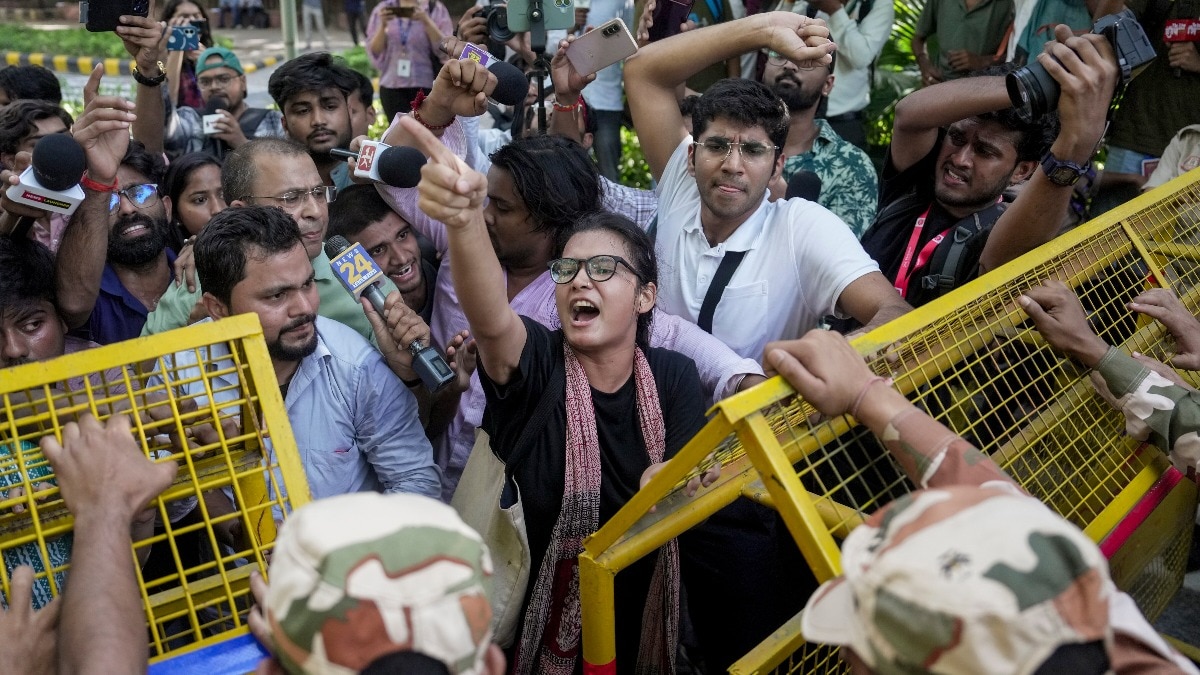
New Delhi has long served as the epicenter of India's protest movements, with various locations becoming synonymous with public dissent and activism over the decades. While Jantar Mantar now stands as the pre-eminent venue for demonstrations and large-scale movements in the capital, this prominence was once shared by another landmark—the Boat Club.
Located in the heart of Delhi near Rajpath (now renamed Kartavya Path), the Boat Club historically hosted significant political gatherings and protests. The venue's transition from a hub of democratic expression to relative obscurity reflects broader changes in how and where political movements mobilize in the capital.
The migration of protest activity from Boat Club to Jantar Mantar appears linked to regulatory and logistical factors. As Delhi's administrative framework evolved, authorities designated specific zones for public demonstrations, with Jantar Mantar becoming the officially recognized space for such activities. This formalization redirected activist movements and public gatherings to the newer focal point.
Today, Jantar Mantar remains the epicenter of India's protest landscape, hosting demonstrations ranging from labor movements to environmental activism. The Boat Club, meanwhile, has receded from public memory as a site of political mobilization, though it continues to serve recreational purposes for its members. The transformation underscores how institutional and geographical factors shape the geography of dissent in democratic societies.