World · India Bureau
Delhi's Diwali AQI readings spark debate over measurement methods
Conflicting air quality index figures reported on Diwali night have raised questions about how Delhi's pollution levels are monitored and reported. Experts clarify the differences between various measurement standards and monitoring stations across the capital.
LSN India ·
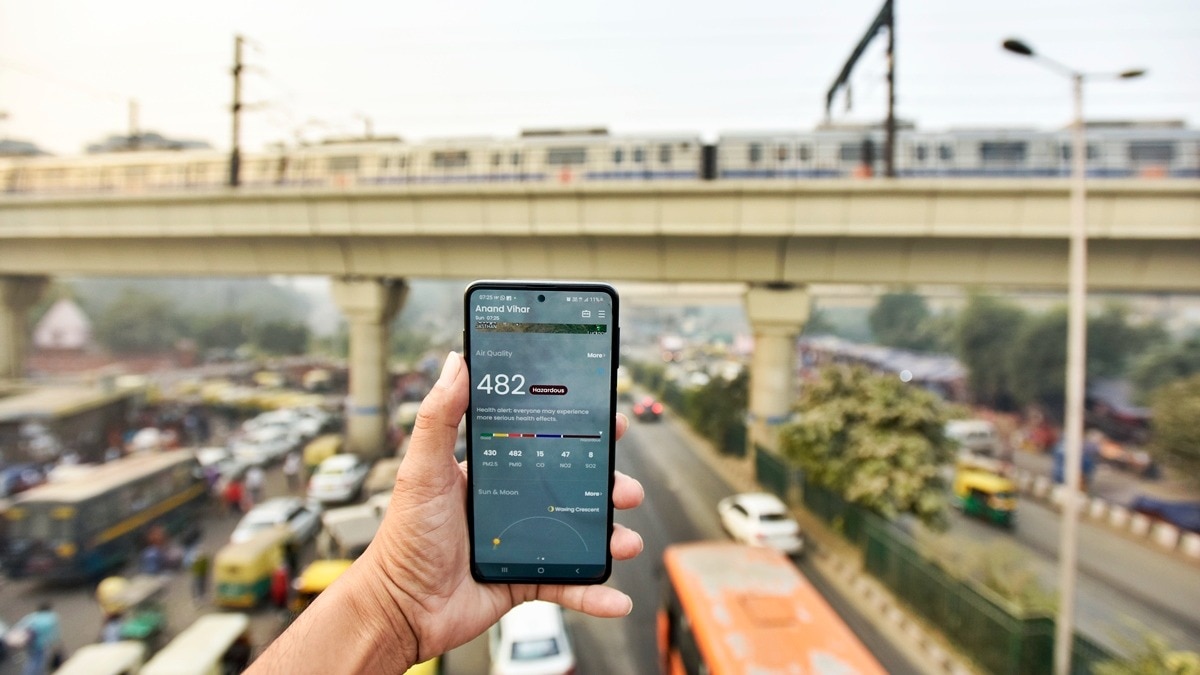
Delhi's air quality on Diwali night became the subject of scrutiny as multiple air quality index readings circulated among residents and media outlets, with figures ranging significantly depending on the source and methodology used.
The variation in reported AQI numbers stems from different monitoring stations operated across the capital, each capturing localized pollution data. The Central Pollution Control Board operates multiple stations throughout Delhi, and readings can vary considerably between areas depending on proximity to firecracker bursts, traffic congestion, and industrial zones.
Air quality experts emphasize that India's AQI system, which ranges from 0-500, measures multiple pollutants including particulate matter (PM2.5 and PM10), nitrogen dioxide, sulfur dioxide, and ozone. On Diwali, when large-scale firecracker consumption peaks, certain localities experience dramatic spikes while others see comparatively lower increases.
Residents seeking accurate pollution data are advised to consult official CPCB platforms and mobile applications that display real-time readings from specific monitoring stations nearest to their location. Weather conditions, wind direction, and time of measurement also significantly influence the recorded figures during festival celebrations.
The confusion underscores the need for greater public awareness about how AQI measurements work and where authoritative data can be accessed, particularly during high-pollution events when multiple unofficial reports circulate.