World · India Bureau
Delhi's Diwali night marks worst air quality in five years
Delhi experienced hazardous air pollution levels on Diwali night, marking the worst air quality in five years. The spike coincided with widespread reports of monitoring stations going offline during peak firecracker hours.
LSN India ·
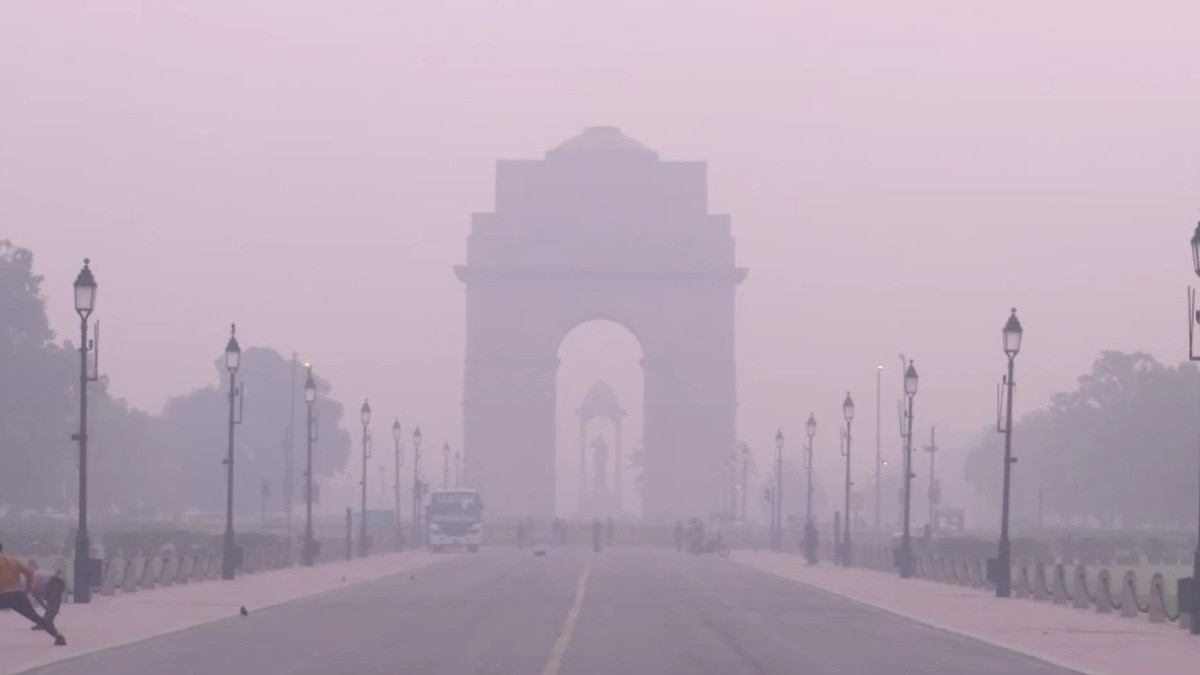
Delhi's air quality deteriorated sharply during Diwali celebrations, with pollution levels reaching their highest point in five years as residents set off firecrackers across the capital. The surge in air pollution was accompanied by a concerning technical issue: multiple air quality monitoring stations abruptly went offline during peak firecracker-burning hours.
An analysis of hourly PM2.5 data from Delhi's 59 monitoring stations revealed a dramatic collapse in the monitoring network's coverage. On Sunday evening at 7 p.m., only one monitoring station was not providing readings. By Monday morning at 1 a.m., this number had jumped to 36 stations—more than 60 percent of the city's monitoring network—reporting no data.
The widespread outages during the critical hours of Diwali night raised questions about the monitoring infrastructure's ability to track pollution levels accurately and in real-time. With the majority of stations offline during peak firecracker hours, authorities and residents lacked reliable data on pollution concentrations across different parts of the city.
The incident highlighted systemic challenges in Delhi's air quality monitoring framework, occurring amid the city's recurring battle with severe winter air pollution. Environmental experts have long emphasized the importance of consistent, real-time data for implementing effective pollution control measures during periods of elevated emissions.