World · India Bureau
Delhi's Diwali pollution crisis: PM2.5 hits 1725, but AQI shows only 403
Delhi experienced severe air quality deterioration on Diwali night as firecracker emissions pushed pollutant levels to hazardous concentrations. Discrepancies between actual pollution readings and publicly displayed figures have raised questions about monitoring transparency.
LSN India ·
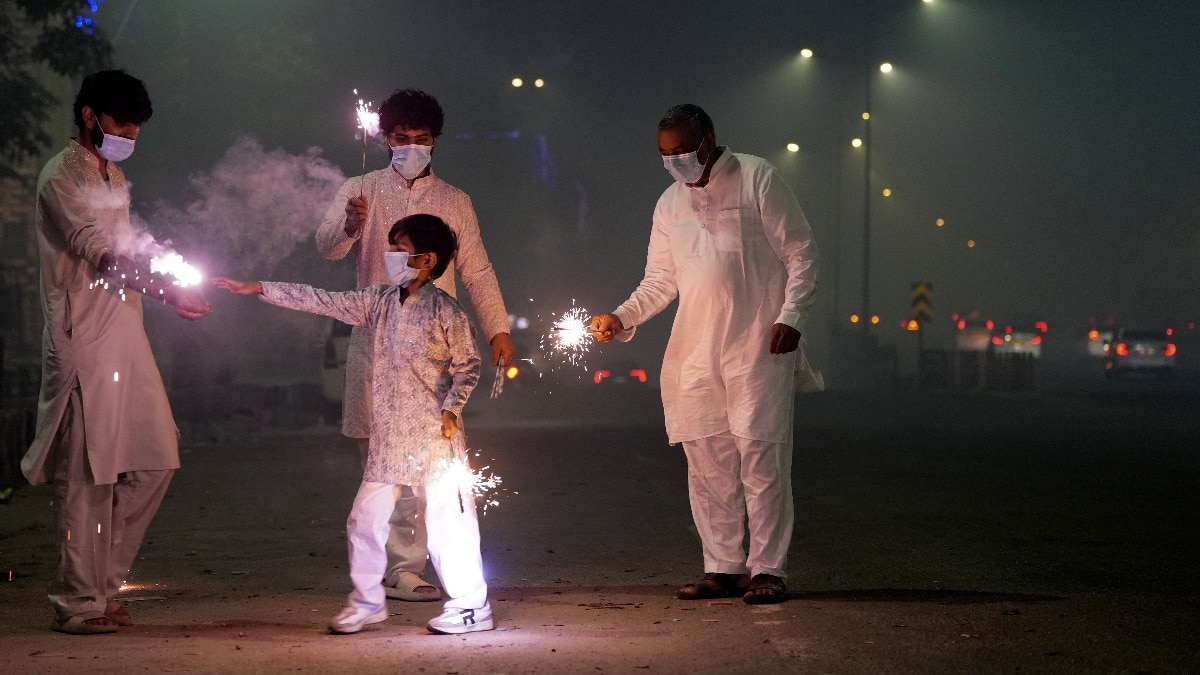
Air quality in Delhi reached dangerous levels on Diwali night as widespread firecracker use blanketed the capital with thick smoke. Monitoring stations recorded particulate matter (PM2.5) levels reaching 1725 micrograms per cubic meter—far exceeding safe exposure limits—yet the publicly displayed Air Quality Index (AQI) showed a significantly lower reading of 403.
The disparity between the raw pollution data and the AQI figure has prompted scrutiny of how air quality metrics are calculated and communicated to residents. Some monitoring display stations malfunctioned during the period, limiting public access to real-time pollution information when the crisis was unfolding.
The pollution surge continued well beyond standard firecracker hours, with bursting sounds reported even after 10 p.m., extending the period of hazardous air exposure. The incident underscores ongoing challenges in Delhi's air quality management during major festivals, when festive celebrations conflict with public health concerns.
Experts have long flagged the need for improved transparency in air quality reporting and stricter enforcement of firecracker regulations during festivals to protect public health, particularly for vulnerable populations including children and the elderly.