World · India Bureau
Delhi's 'Green' Firecrackers Fail to Ease Diwali Air Quality Crisis
Despite regulatory restrictions and promotion of environmentally-friendly alternatives, Delhi continues to face severe air pollution during Diwali festivities. Even lower-emission firecrackers remain significant contributors to the seasonal pollution spike.
LSN India ·
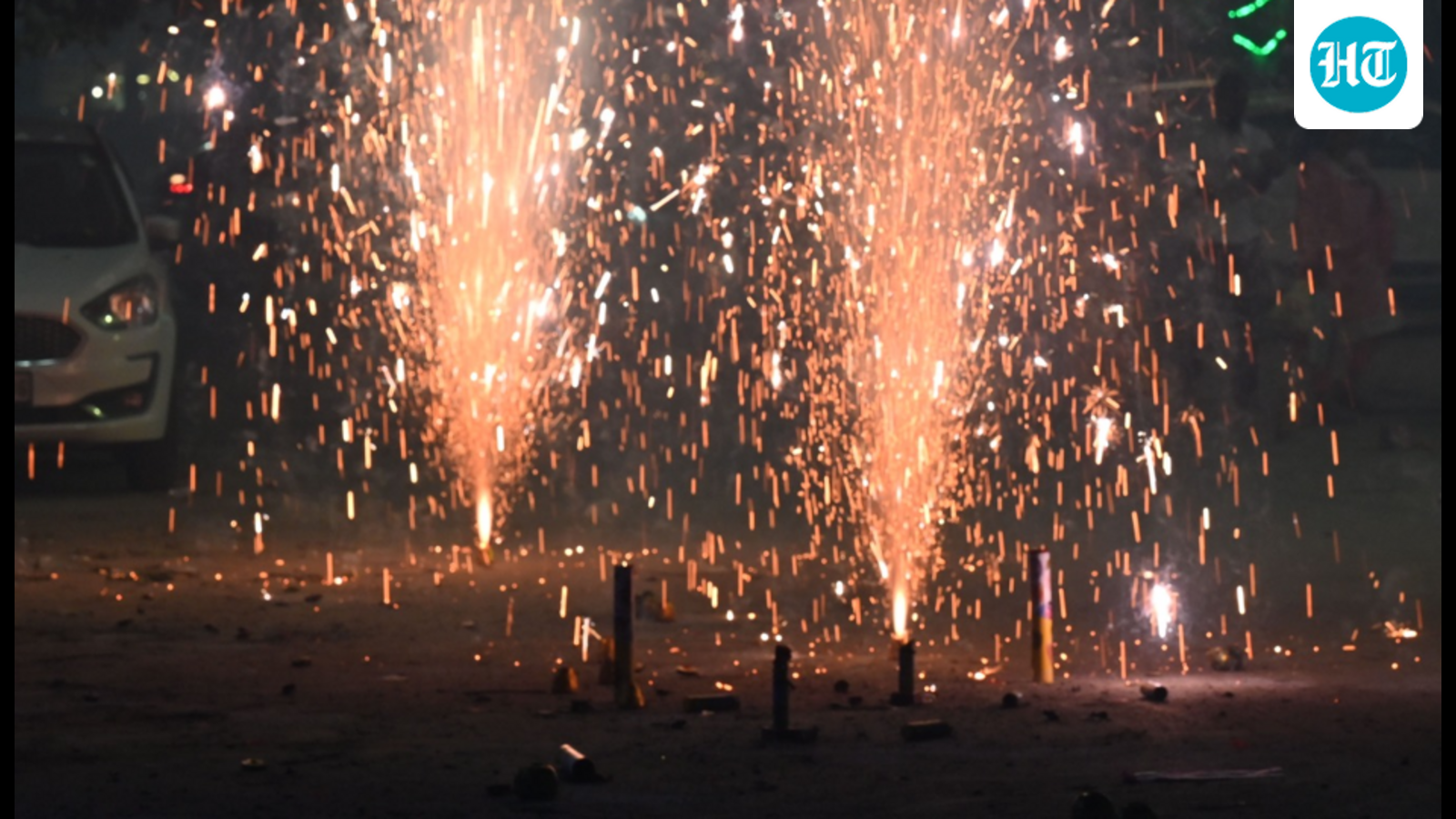
Delhi's air quality crisis during Diwali celebrations persists despite years of regulatory measures aimed at curbing firecracker use and promoting greener alternatives. The shift towards so-called 'green' firecrackers—marketed as lower-emission options—has proven insufficient in addressing the seasonal surge in pollution levels that blankets the capital each year.
While green firecrackers are engineered to produce relatively fewer emissions compared to conventional fireworks, environmental assessments indicate they are far from pollution-free. The reduced particulate matter and chemical emissions they generate still contribute measurably to deteriorating air quality during peak festive nights, limiting their effectiveness as a comprehensive pollution-control strategy.
The gap between regulatory intent and ground reality remains evident, as firecracker use continues despite restrictions and advisories. Many residents continue purchasing and bursting conventional fireworks, flouting guidelines that designate specific time windows for firecracker activities or promote complete abstinence from their use during Diwali.
Environmental scientists and health experts caution that relying solely on green firecrackers as a solution underestimates the scale of Delhi's pollution challenge. A multi-pronged approach addressing vehicular emissions, industrial pollution, and agricultural burning in surrounding regions is necessary to achieve meaningful improvements in air quality during the festive season.