World · India Bureau
Delhi's growth paradox: Modern infrastructure masks housing crisis
India's capital has emerged as an economic powerhouse since liberalisation, yet struggles with unauthorised sprawl, housing shortages and infrastructure gaps that strain its burgeoning population.
LSN India ·
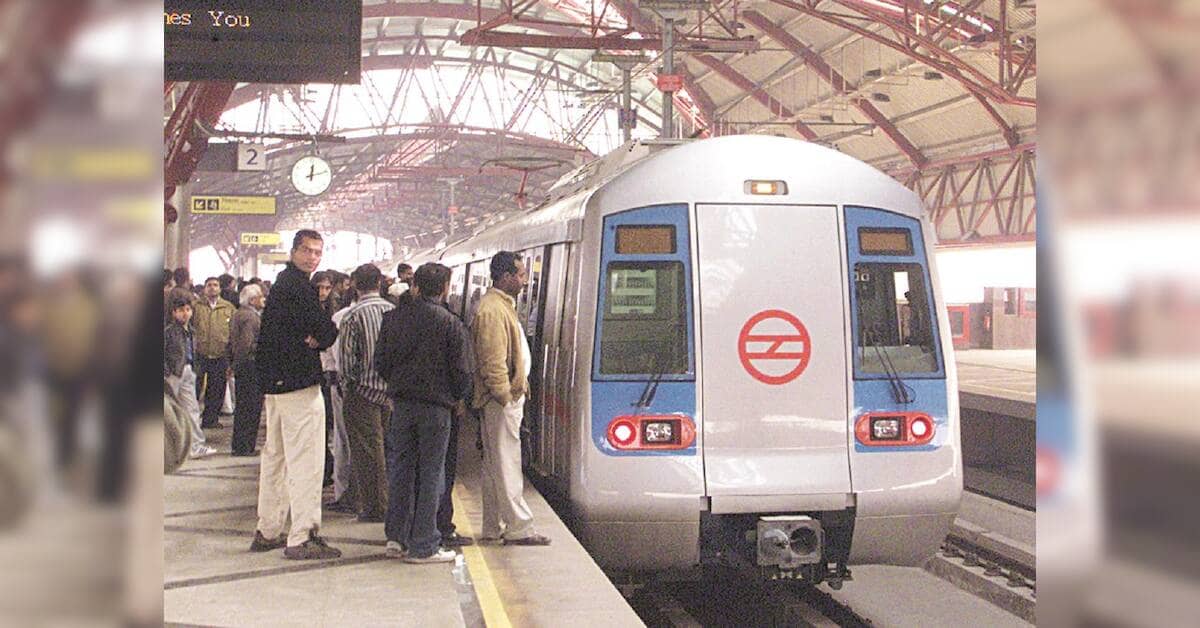
Delhi's transformation into a major services hub has been marked by ambitious infrastructure projects and rapid economic expansion over the past three decades. However, this growth has created a stark divide between planned development zones and sprawling unauthorised settlements that house millions of residents in precarious conditions.
The capital's housing shortage remains one of its most pressing challenges. Despite construction booms and large-scale residential projects, demand continues to outpace supply, forcing a significant portion of Delhi's population into informal settlements and unauthorised colonies. These unplanned areas lack basic amenities, adequate sanitation and proper urban services, creating a two-tiered city where development exists in pockets rather than uniformly across the metropolis.
Infrastructure gaps compound the challenge. While the city boasts modern metro systems, highways and commercial complexes, large swathes of Delhi lack adequate water supply, sewage treatment and waste management facilities. The concentration of development in certain areas has left peripheral neighbourhoods underserved, contributing to the ad-hoc nature of urban expansion.
Pollution remains another critical concern tied to Delhi's unplanned growth. The absence of coordinated urban planning and industrial regulation has contributed to the capital's persistent air and water quality issues. Environmental degradation has become a defining challenge alongside the city's economic success, highlighting the costs of rapid, unregulated urbanisation.
Policymakers continue to grapple with balancing Delhi's aspirations as a global city with addressing the fundamental needs of its residents, particularly those in informal settlements. Resolving the tension between ambitious infrastructure projects and ground-level service delivery remains central to the capital's sustainable development.