World · World News Bureau
Delhi's iconic Jantar Mantar loses protest site status
India's capital has denotified the historic 18th-century landmark as an authorized demonstration venue, ending decades as a focal point for activism and civil dissent in the nation's political landscape.
LSN World News ·
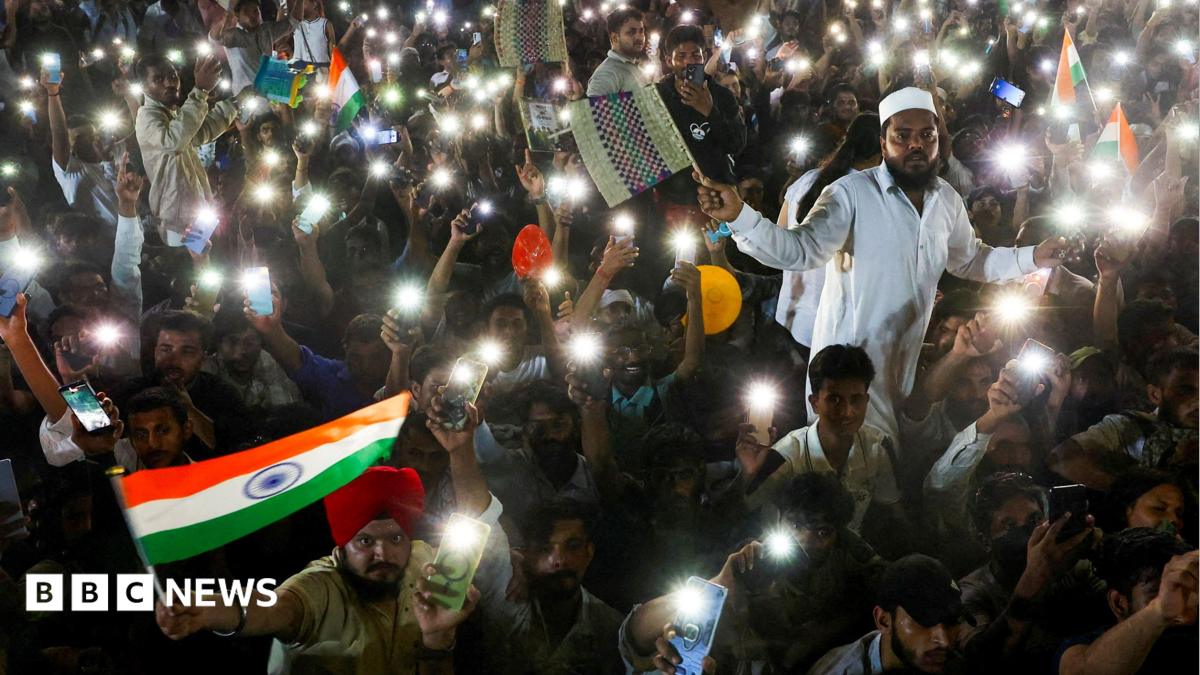
Jantar Mantar, the centuries-old astronomical monument in central Delhi, has been officially removed from its designation as a protest site, marking a significant shift in India's political culture. The location had become virtually synonymous with public demonstrations, hosting countless rallies, marches, and activism campaigns that shaped national discourse on issues ranging from governance to social justice.
The denotification removes the formal authorization that had permitted demonstrators to gather at the site without prior permission, a status that had made Jantar Mantar a strategic location for groups seeking to amplify their message in India's capital. The 18th-century structure, built for astronomical observations during the Mughal era, had evolved into one of South Asia's most recognizable symbols of democratic protest and civil society engagement.
The decision reflects broader policy debates within India regarding protest rights, public order, and the regulation of demonstrations in urban centers. Officials and analysts have noted varying perspectives on the implications, with civil liberties advocates raising concerns about restrictions on public assembly, while authorities cite concerns over traffic congestion and public safety.
The denotification leaves protesters without an officially designated assembly point in Delhi's central district, potentially reshaping where and how demonstrations are organized in the Indian capital. Activists and political observers are assessing how the loss of this historic venue may influence the scale and visibility of future protests in Delhi.