World · India Bureau
Delhi's iconic Jantar Mantar stripped of protest site status after 30 years
New Delhi authorities have de-notified the historic Jantar Mantar as a designated venue for demonstrations, ending its three-decade run as the capital's primary dissent hub. Three alternative protest grounds have been designated to accommodate public demonstrations.
LSN India ·
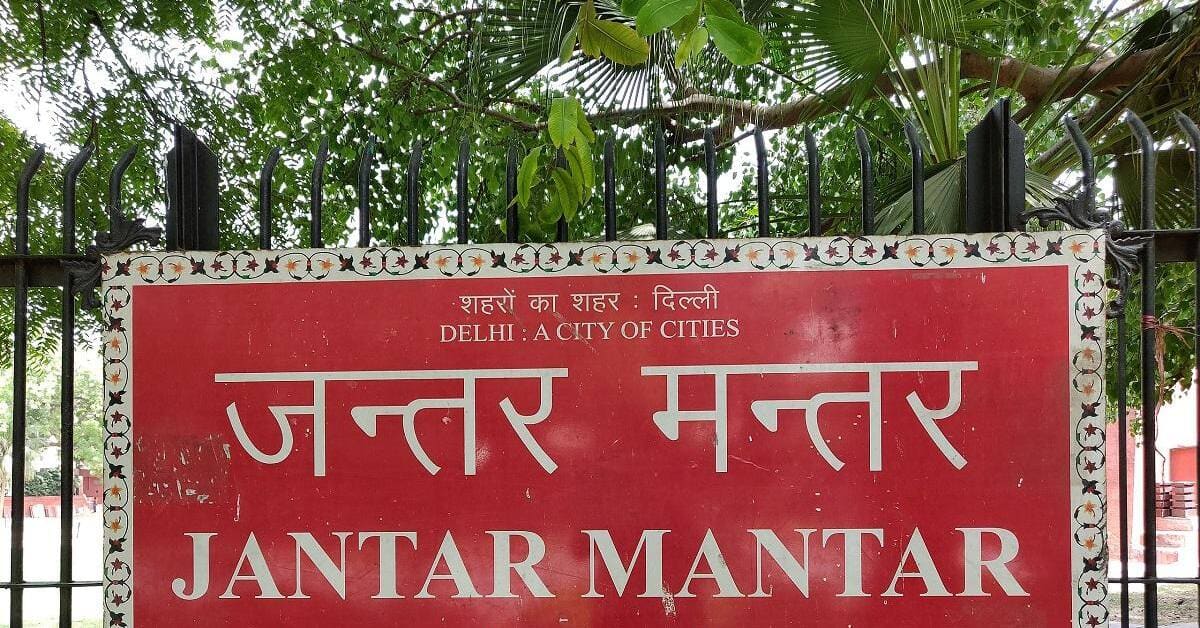
Jantar Mantar, the 18th-century astronomical monument that emerged as Delhi's foremost symbol of democratic protest over the past 30 years, has been officially removed from the list of designated protest sites by authorities. The decision marks a significant shift in the capital's approach to managing public demonstrations and raises questions about the future landscape of political activism in India's seat of power.
The de-notification removes the informal status that made Jantar Mantar a rallying point for various movements—from environmental campaigns to social justice protests—attracting activists, students, and citizens seeking to voice grievances. The site's transformation into an iconic protest destination was never formally mandated but evolved organically as a space where dissenting voices found audience and visibility.
To accommodate ongoing demonstrations, authorities have designated three alternative venues: Ramlila Ground, Burari Ground, and CBD Ground. These locations are intended to provide protesters with designated spaces while potentially dispersing gatherings that previously converged at the centrally-located monument. The move represents a broader administrative restructuring of how Delhi manages public assembly and political expression.
The decision reflects mounting pressure on authorities to regulate demonstrations in the capital, particularly in central areas frequented by tourists and diplomats. However, the shift has sparked concerns among civil society groups regarding potential restrictions on the right to protest and the symbolic loss of a space that became synonymous with India's democratic tradition.