World · India Bureau
Delhi's Perpetual Transformation: A Capital Constantly Reinventing Itself
India's capital has undergone numerous metamorphoses across centuries, each era leaving distinct imprints on the city's character. From ancient kingdoms to modern nation-building, Delhi remains an ongoing narrative rather than a finished story.
LSN India ·
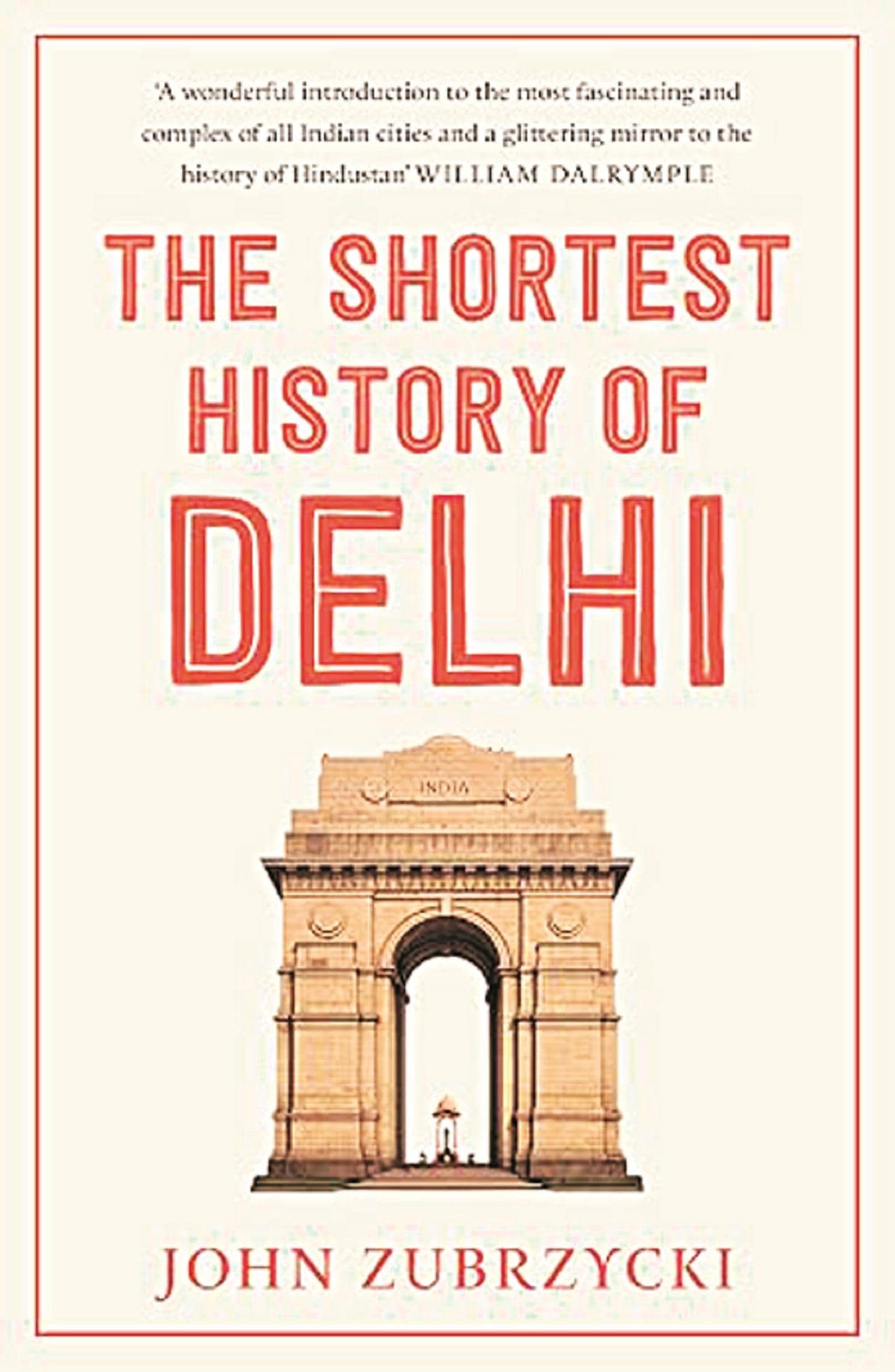
Delhi exists as a palimpsest of ambitions and epochs. The city bears witness to successive waves of construction, destruction, and renewal that have defined its trajectory through history. Each period—whether Mughal splendour, colonial administration, or post-independence development—has reshaped the urban landscape, adding layers to what remains fundamentally unfinished.
The capital's perpetual state of flux reflects India's own journey. As the nation has evolved, so too has its seat of power, with successive governments reimagining the city according to contemporary ideals and necessities. Historical structures coexist with modern infrastructure, creating a metropolitan space where past and present negotiate their boundaries.
This continuous transformation extends beyond physical infrastructure. Delhi's demographics, economic character, and cultural identity shift with each generational cycle. The city absorbs migrants, accommodates changing lifestyles, and adapts to emerging technologies while attempting to preserve its heritage—a balancing act that remains perpetually incomplete.
Today, Delhi stands as both symbol and testament to India's aspirations and complexities. Its story refuses conclusion, remaining open-ended and dynamic, perpetually in progress as the nation charts its course forward.