World · India Bureau
Delhi's Toxic Fifth Season: Air Quality Crisis Grips Capital
As India's traditional four seasons cycle through, Delhi faces an annual environmental emergency when winter brings hazardous air pollution levels. The capital's deteriorating air quality during these months poses significant health risks to millions of residents.
LSN India ·
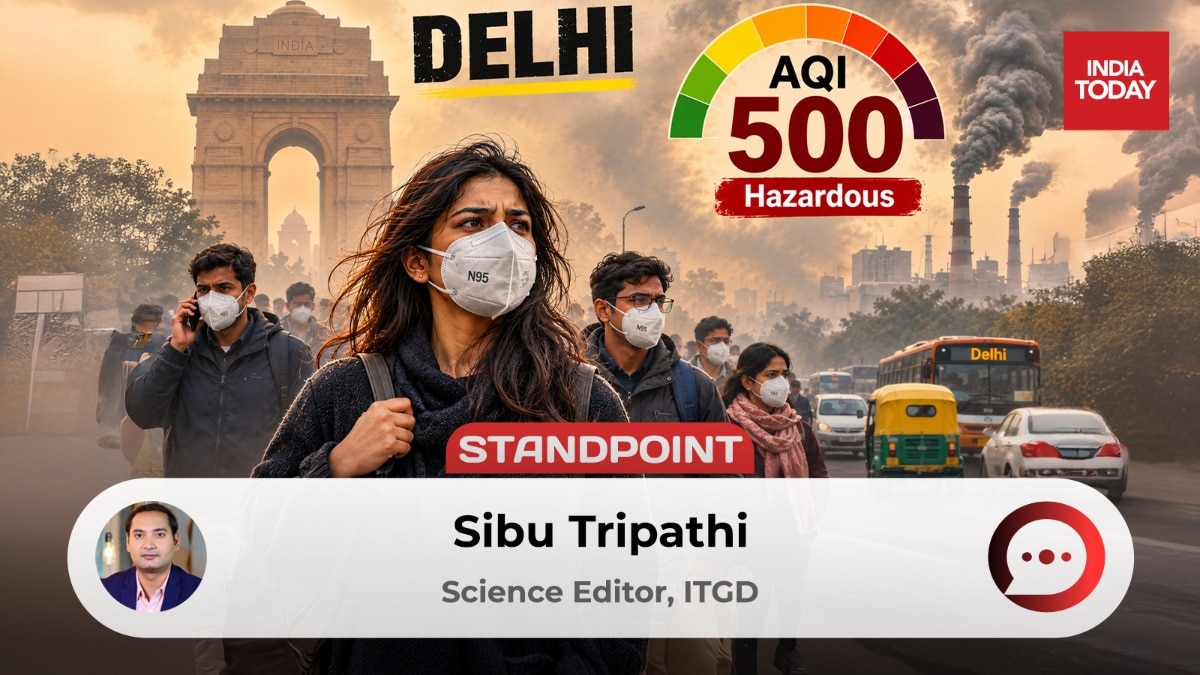
Delhi's winter months have effectively created a fifth, unwelcome season characterized by dense smog and hazardous air quality levels that blanket the national capital. While most of India experiences clearly defined seasonal patterns, the Delhi region's unique geographical and meteorological conditions combine with stubborn pollution sources to create an annual environmental crisis that typically peaks between October and February.
The phenomenon results from a convergence of factors specific to the Indo-Gangetic plains. As temperatures drop during winter months, atmospheric conditions trap pollutants close to the ground rather than dispersing them. This temperature inversion effect is compounded by vehicular emissions, industrial pollution, construction dust, and agricultural burning in neighboring states—particularly the large-scale crop residue burning in Punjab and Haryana that blankets the region in smoke.
The health implications are substantial. During peak pollution periods, air quality indices frequently reach hazardous levels, prompting health advisories and school closures. Medical professionals report increased cases of respiratory illnesses, cardiovascular complications, and other pollution-related conditions during these months. Vulnerable populations including children, elderly residents, and those with pre-existing health conditions face heightened risks.
Government authorities and environmental agencies have implemented various mitigation measures including vehicular restrictions, construction bans, and public awareness campaigns. However, experts suggest that addressing the crisis requires sustained, multi-pronged approaches involving stricter emissions standards, agricultural reform to reduce crop burning, improved public transportation infrastructure, and coordinated interstate efforts—measures that remain works in progress across the region.