World · India Bureau
Delhi's Urban Crisis Demands Systemic Overhaul, Not Cosmetic Fixes
Multiple building disasters in unauthorised settlements have exposed critical gaps in Delhi's urban infrastructure. Experts warn that merely regularising colonies on paper will not address the fundamental safety challenges facing millions of residents in unplanned areas.
LSN India ·
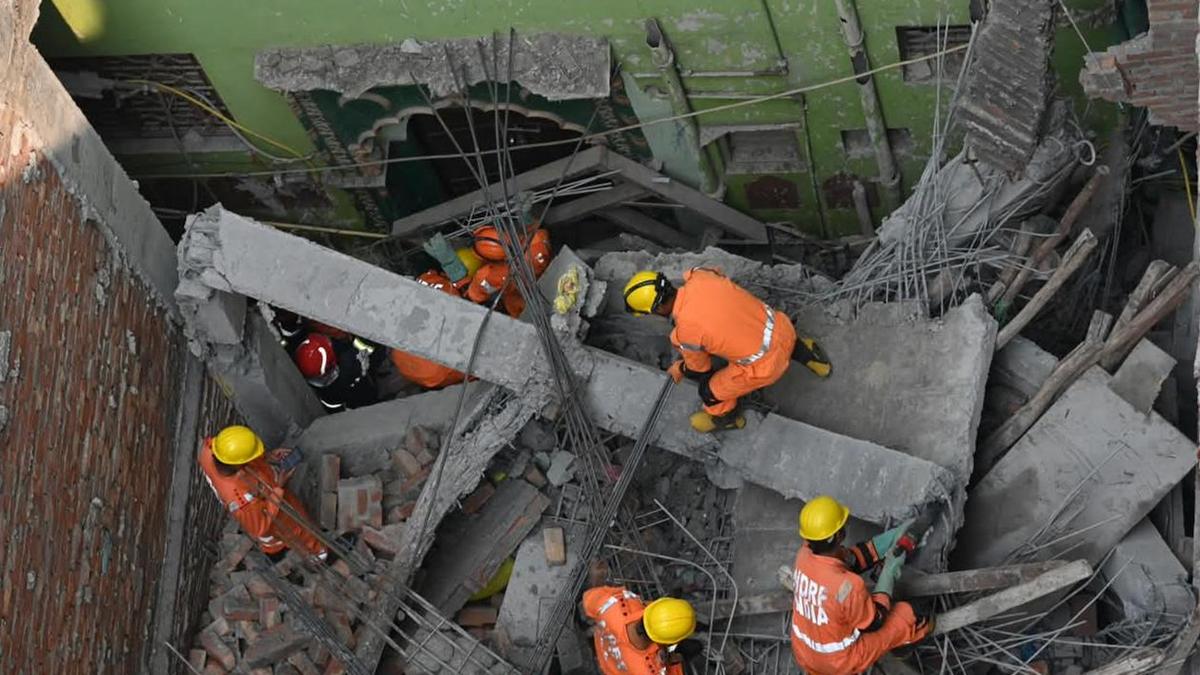
Delhi's persistent vulnerability to structural failures has again come into sharp focus following a spate of building collapses and fire incidents in unauthorised or illegal constructions throughout the year, claiming several lives and highlighting systemic weaknesses in the capital's urban development framework.
The recurring tragedies underscore a deeper crisis: sprawling unauthorised colonies across Delhi house lakhs of residents in areas that lack adequate planning, enforcement of building codes, and basic safety infrastructure. While authorities have periodically attempted to regularise such settlements, critics argue these efforts remain largely superficial, addressing administrative categories rather than substantive improvements in structural integrity or resident safety.
Experts stress that mere paper regularisation cannot substitute for comprehensive urban reforms. The capital requires fundamental changes to how it manages unplanned growth, including stricter building code enforcement, improved inspection mechanisms, better coordination between municipal bodies, and targeted infrastructure investment in existing unauthorised areas.
The challenge is compounded by Delhi's rapid urbanisation and the socioeconomic factors driving migration to informal settlements. Unless the administration undertakes structural interventions addressing root causes—inadequate housing supply, weak regulatory oversight, and fragmented governance—unauthorised colonies will continue to pose significant risks to resident safety and public health.
Urban planners emphasise that sustainable solutions demand political will to reform outdated systems and allocate adequate resources toward comprehensive redevelopment rather than incremental, piecemeal regularisation efforts that have proven insufficient to ensure public safety.