World · India Bureau
Delhi's urbanisation of 48 villages creates real estate expansion opportunity
Delhi's decision to urbanise 48 rural villages is expected to unlock significant real estate development potential across the capital region. However, successful implementation will hinge on adequate infrastructure development and clear land-use policy frameworks.
LSN India ·
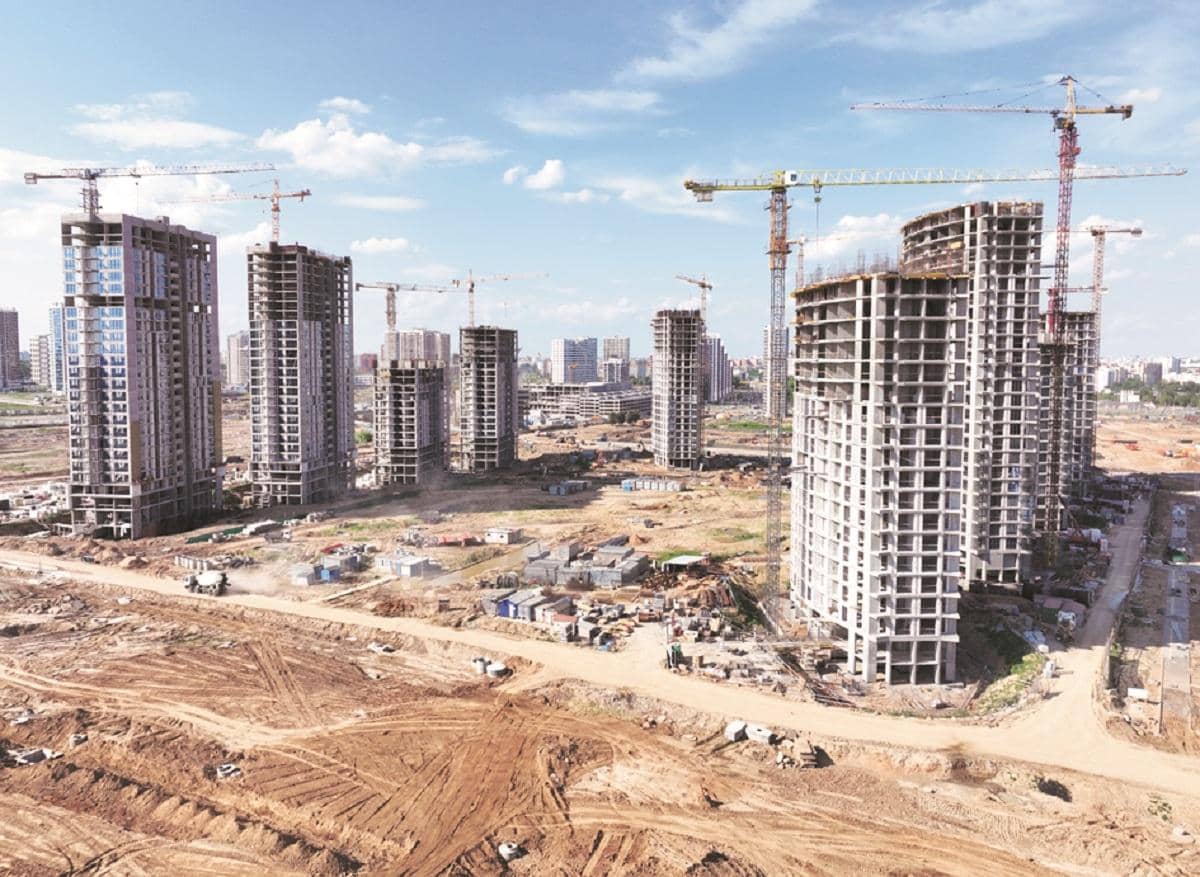
Delhi has initiated a major urbanisation drive covering 48 villages, signalling a substantial shift in the capital's spatial development strategy. The move is anticipated to create fresh avenues for real estate developers operating in one of India's most constrained urban property markets.
The urbanisation initiative addresses long-standing pressure to accommodate Delhi's growing population while formalising rural settlements that increasingly fall within or near the metropolitan area. The exercise is expected to convert previously agricultural and semi-rural zones into developable urban land, attracting significant private sector interest in residential, commercial, and mixed-use projects.
Industry analysts note that the success of this expansion will depend critically on three key factors: timely development of supporting infrastructure including roads, water supply, and power connectivity; clarity on land-use permissions and zoning regulations; and effective coordination between local authorities and developers during implementation. Without these elements in place, the urbanisation drive risks creating infrastructure deficits similar to those affecting other rapidly expanded areas in the National Capital Region.
The initiative comes amid intensifying competition for developable land in Delhi, where existing urban areas face density constraints and limited availability of large contiguous plots. Real estate stakeholders are closely monitoring regulatory frameworks that will govern these newly urbanised zones, as permitting structures and approval timelines will significantly influence investment decisions and project viability.