Technology · India Bureau
Delhi's water bodies face extinction amid incomplete legal mapping
Despite thousands of water bodies recorded in Delhi's revenue registers, incomplete demarcation and satellite identification leave the capital's aquatic ecosystems vulnerable to encroachment and degradation. Activists warn that inadequate legal protection threatens the city's remaining natural water sources.
LSN India ·
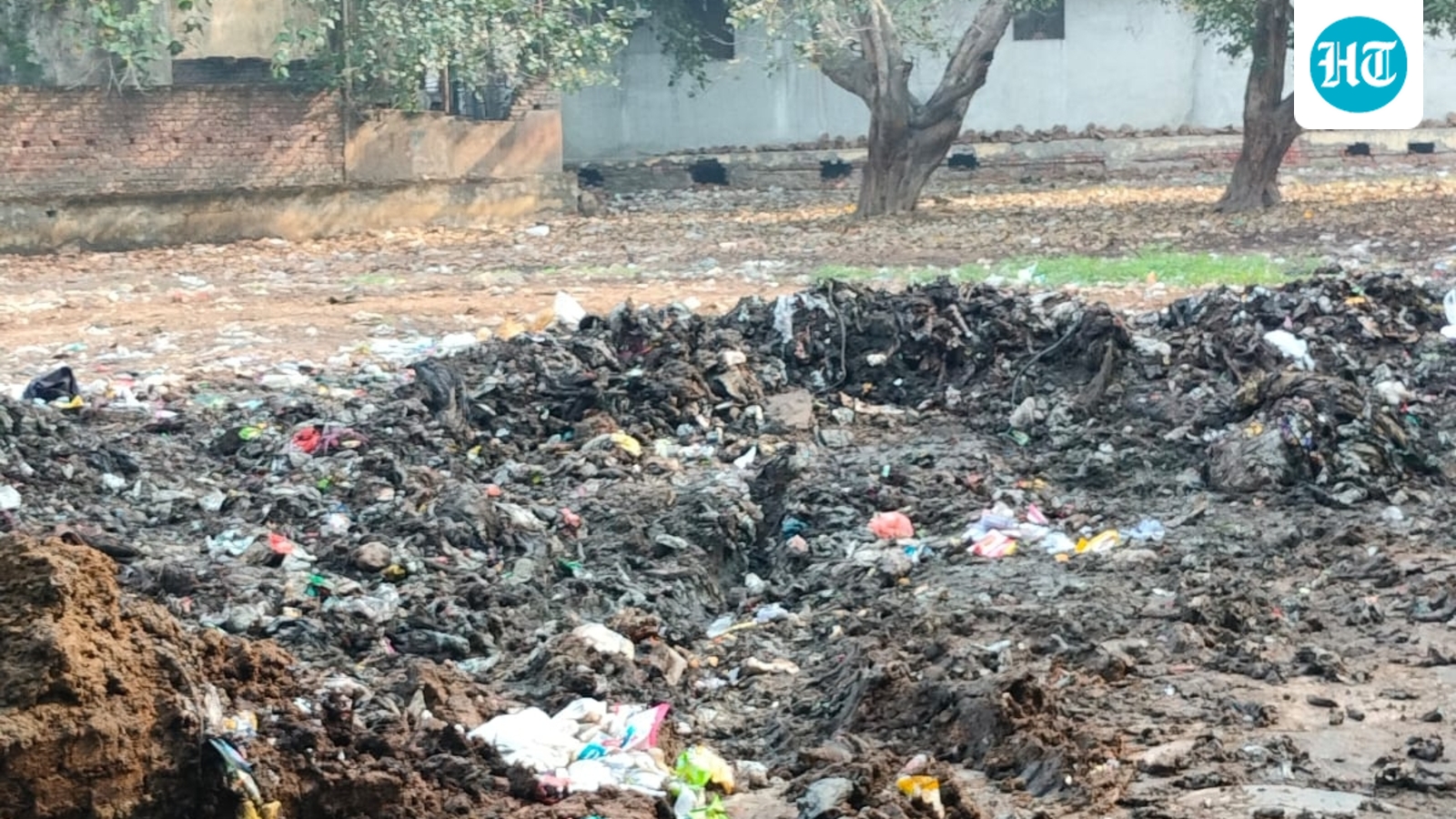
Delhi's water conservation crisis has deepened as authorities struggle to formally identify and protect the capital's diminishing water bodies, leaving thousands of lakes, ponds, and wetlands in legal limbo. According to records maintained by the Delhi Surface Water Authority, the city has 1,045 water bodies officially documented in revenue records, while satellite imagery has identified an additional 322 sites, yet comprehensive demarcation remains incomplete across the sprawling metropolis.
The gap between recorded and surveyed water bodies reflects decades of administrative neglect and haphazard urban development. Without clear legal demarcation, these sites remain vulnerable to unauthorised construction, encroachment, and pollution, undermining efforts to preserve Delhi's rapidly vanishing aquatic ecosystems. Environmental groups have intensified campaigns to push authorities toward completing the identification and demarcation process, warning that further delays could result in irreversible damage to the capital's water security.
Experts emphasise that formal recognition through revenue records and updated satellite surveys is essential for enforcing protective measures and preventing illegal occupation. The incomplete mapping has hampered conservation efforts and made it difficult for authorities to take enforcement action against encroachers. Activists have filed multiple petitions urging the government to accelerate the demarcation process and establish comprehensive legal protections for all identified water bodies.
Water bodies serve critical functions for Delhi's ecosystem, including groundwater recharge, flood management, and providing habitat for local biodiversity. The capital's rapid urbanisation has already claimed hundreds of water bodies over the past two decades, with remaining sites facing mounting pressure from construction and development projects. Officials acknowledge the backlog but have not announced a concrete timeline for completing the full survey and demarcation of the city's water resources.