World · India Bureau
Delhi's winter pollution crisis persists despite emergency measures
Delhi's air quality index remained in hazardous levels throughout the winter season despite the implementation of the Graded Response Action Plan (GRAP). Environmental experts debate whether pollution would have reached even more dangerous levels without these emergency interventions.
LSN India ·
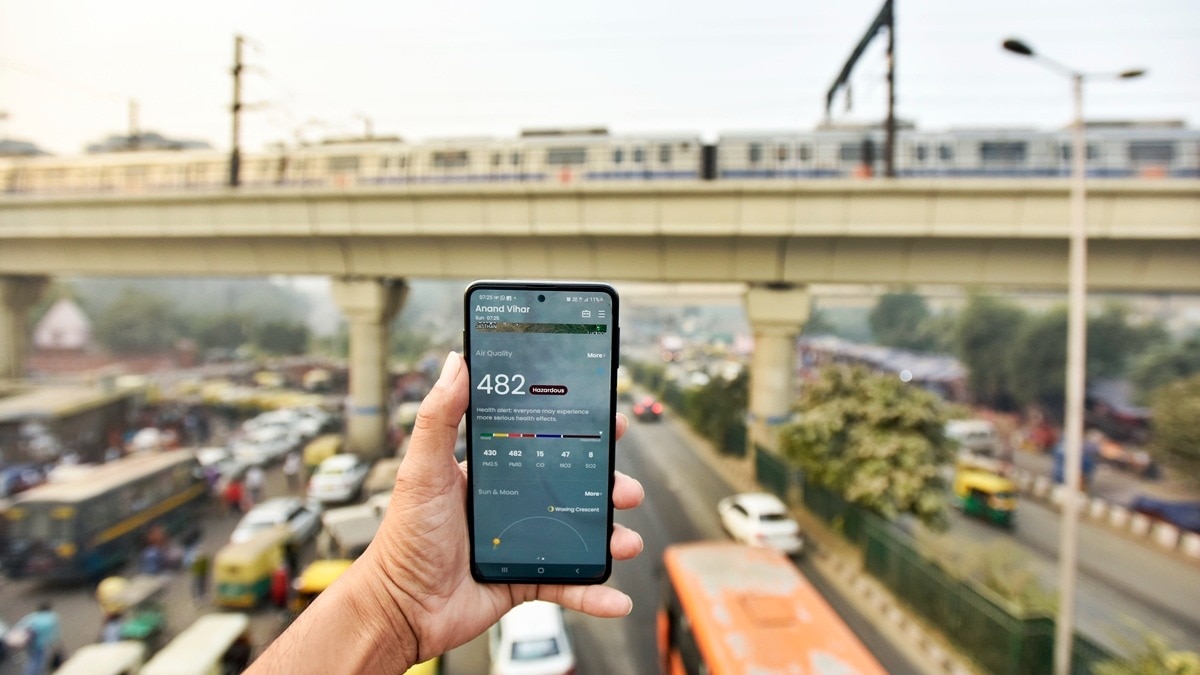
Delhi's seasonal battle against air pollution continued unabated this winter, with the capital's air quality index frequently crossing hazardous thresholds despite activation of the Graded Response Action Plan, a tiered emergency protocol designed to combat deteriorating air conditions. The GRAP, which imposes measures ranging from construction bans to vehicle restrictions and school closures at various pollution severity levels, failed to prevent multiple episodes of severe pollution that posed significant health risks to the city's residents.
The inability of GRAP measures to effectively contain winter pollution levels has reignited debate among environmental scientists and policymakers about the effectiveness of existing intervention strategies. While the plan's restrictions on stubble burning, construction activities, and vehicular movement were enforced, meteorological factors and persistent emissions from surrounding regions continued to degrade air quality throughout the winter months.
Environmental analysts argue that without GRAP's implementation, pollution levels would likely have escalated further. The plan's enforcement, though imperfect, prevented additional contributions to the already compromised air quality from construction dust, vehicular emissions, and industrial activities. However, critics contend that temporary measures fail to address fundamental causes of Delhi's winter pollution crisis, including agricultural burning in neighbouring states, industrial emissions, and vehicular congestion.
Experts emphasize that long-term solutions require comprehensive strategies beyond seasonal responses, including stricter emission standards, promotion of renewable energy, agricultural practice reforms, and regional cooperation. As Delhi prepares for future winter seasons, the effectiveness of GRAP and the need for more robust, permanent pollution control mechanisms remain critical concerns for public health and environmental quality in the National Capital Region.